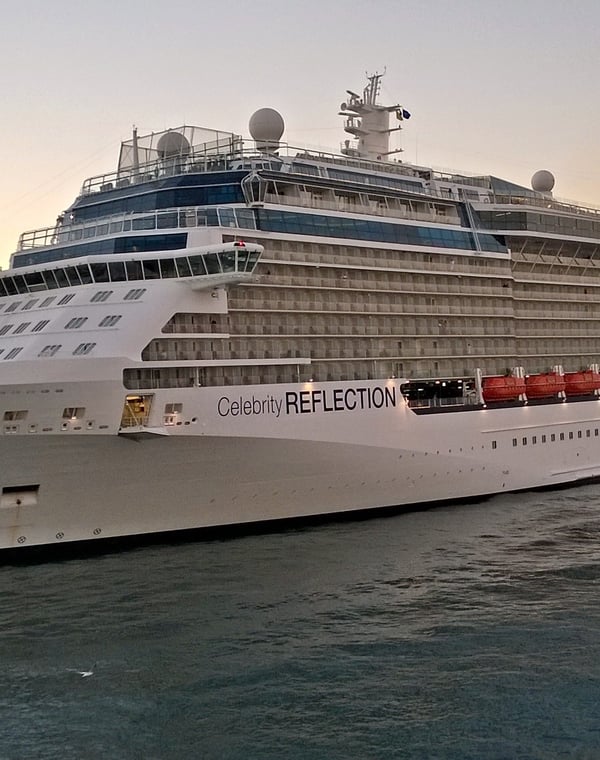
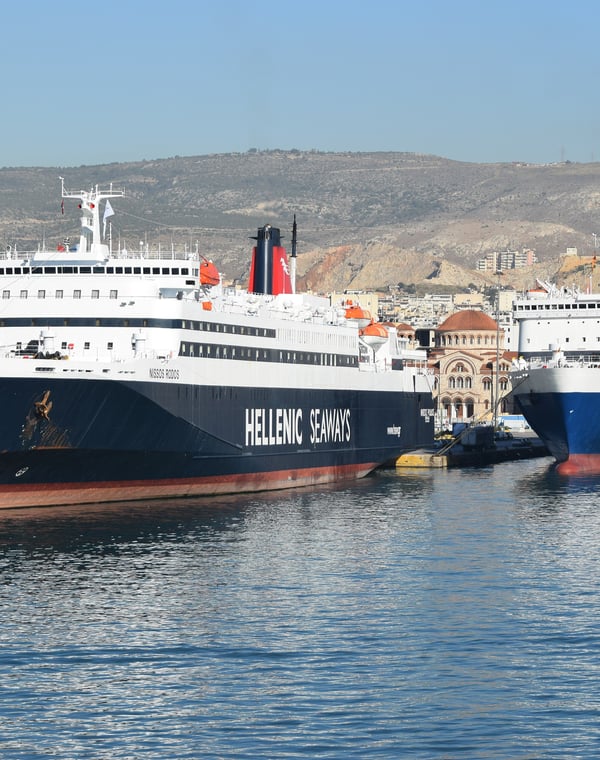
Greek ferry strikes and general strikes: how much notice you get, what still sails, and your refund
A Greek ferry strike is announced days ahead and stops nearly every ship for a set window; here is what still runs, what a general strike adds, and how to get your refund or a free rebooking.
Your ferry to Naxos is on Thursday, and on Monday a Greek news site says the seamen's union is walking out that day. Or the headline says "general strike" and you cannot tell whether that means your boat, your metro ride to the airport or your flight home. Strikes in Greece are routine, announced, and mostly survivable. This guide answers the three questions in the order you need them: how much warning you get, what still runs, and what happens to your ticket.
The short version: a ferry strike almost never ambushes you on the quay. It is announced days ahead, it stops nearly every ship for a fixed one-day or two-day window, and a sailing cancelled by a strike entitles you to your money back or a free move to another boat.
How much notice you get before a Greek ferry strike
A Greek ferry strike is usually announced several days before it happens, not on the morning of sailing. The Panhellenic Seamen's Federation (PNO), the union that crews Greek ferries, publishes the date and the start and end times of each stoppage in advance, Greek media report it at once, and ferry operators then email or text the passengers booked on affected sailings.
That makes a strike the opposite of the wind. When a ferry is cancelled by the wind, the Coast Guard decides the evening before or on the day itself; a strike gives you a window to rearrange things calmly. The catch is that the window only helps if you see the notice. Operators write to the email on the booking, which for a ticket bought through an agency or a booking site may not be yours. If a strike is in the news, check the operator's own sailing status page rather than waiting for a message.
There is one late twist to know about. Now and then a ferry company asks a Greek court to rule a strike unlawful, and the ruling can land the day before. When that happens the ships sail after all, and the people who rebooked in a hurry discover they did not need to. So rearrange early, but keep your original ticket until the cancellation is confirmed by the operator.
What still sails on a Greek ferry strike day
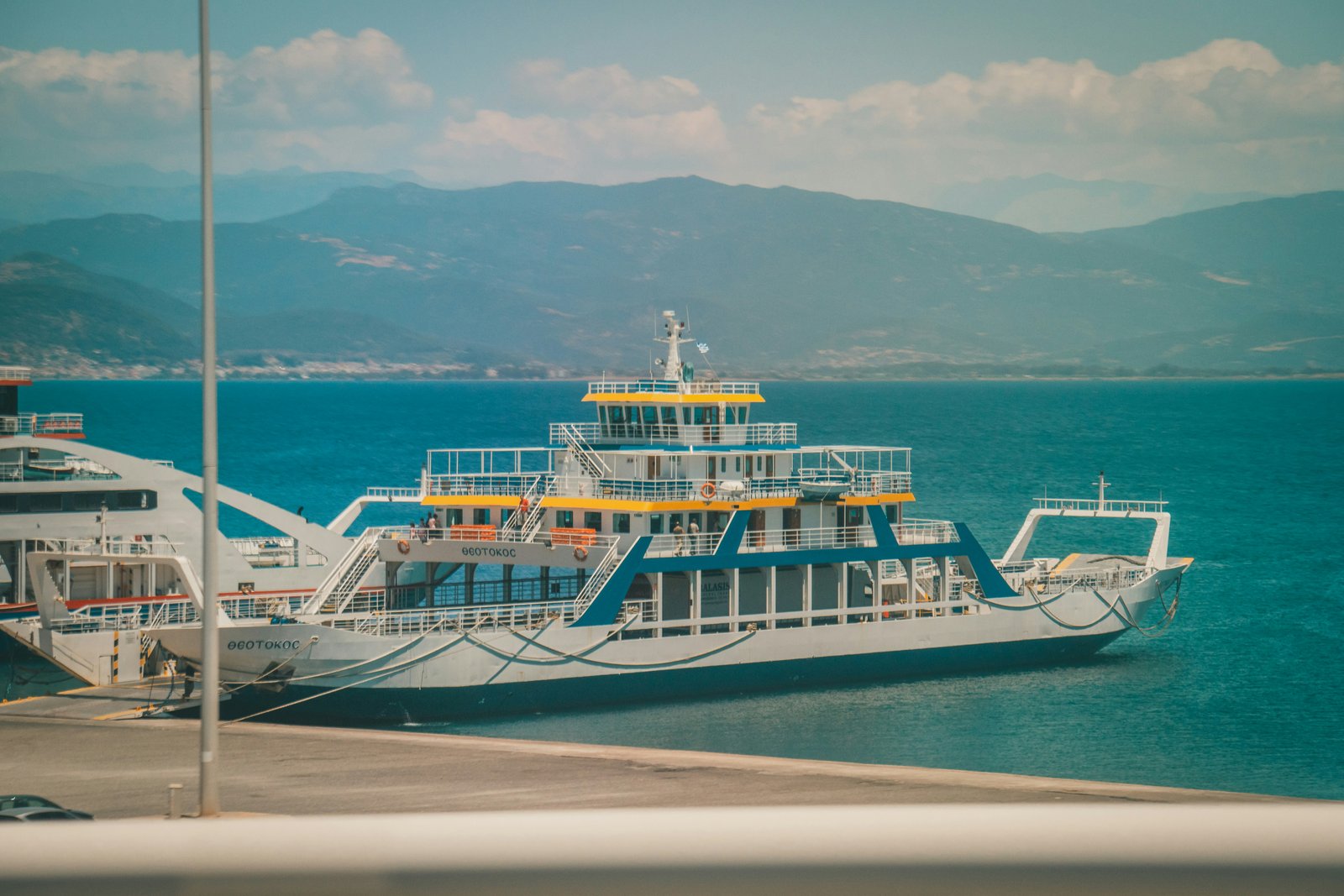
On a Greek ferry strike day almost nothing that carries passengers between the mainland and the islands sails. The PNO stoppage covers the crews of conventional car ferries, high-speed catamarans and the Saronic Gulf hydrofoils alike, so Piraeus, Rafina and Lavrio all go quiet for the length of the strike, and the island ports with them.
Three details soften that picture. First, the stoppage has a start and an end time, so a ship that leaves before the start finishes its voyage, and sailings resume when it ends; the first boats after a strike are often full, because everyone held back the day before is on them. Second, ships already at sea when a strike begins complete their trip rather than stopping mid-route. Third, some small local boats, such as short shuttles between neighboring islands or excursion caiques, are not always crewed by union members and may still run. Treat those as a lucky bonus, never as the plan for a connection.
What you should not expect is a skeleton timetable. Unlike some transport strikes elsewhere in Europe, a Greek seamen's strike does not come with guaranteed minimum services for tourists. If the strike falls on your travel day, plan as if no ferry leaves.
What a general strike in Greece stops besides the ferries
A general strike in Greece, called by the private-sector confederation GSEE, the public-sector union ADEDY or both, usually stops the ferries too, because the seamen's union tends to join. It also reaches Athens public transport, and sometimes air traffic control, which is what makes a general strike more disruptive for a visitor than a ferry strike alone.
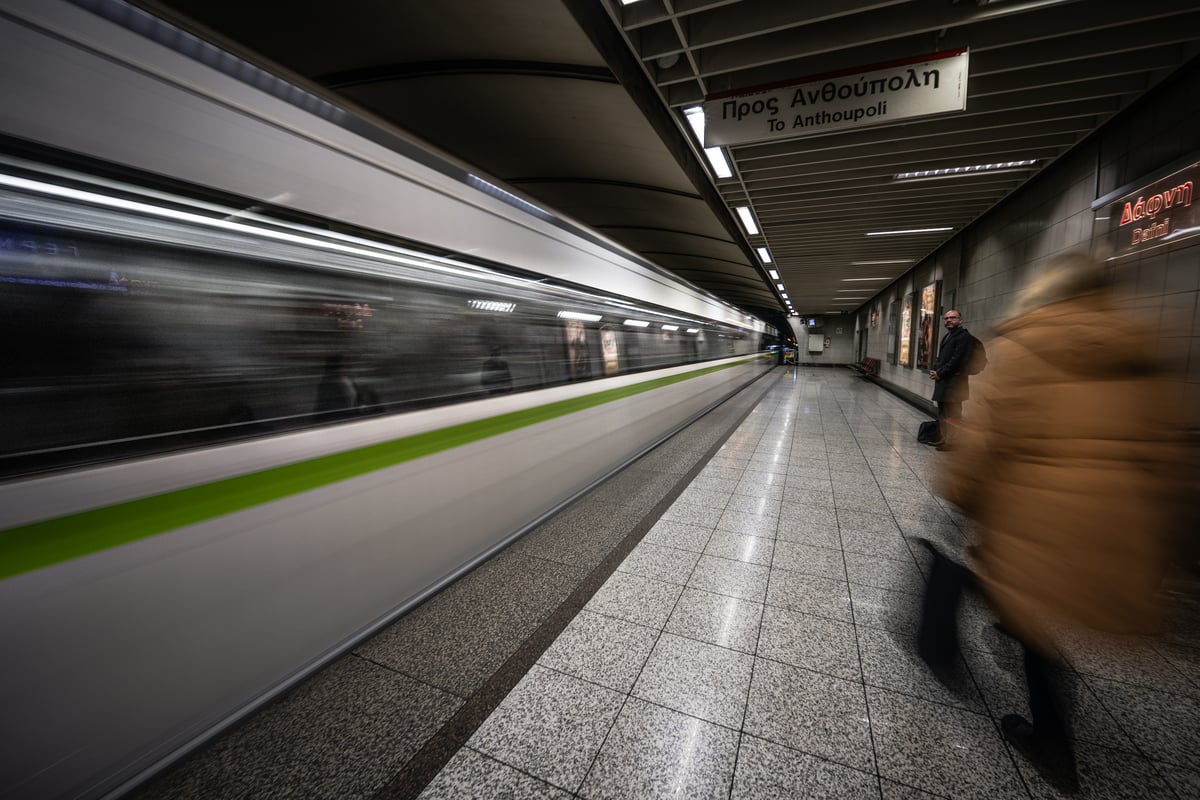
Athens transport rarely shuts completely for the whole day. More often the metro, trams and buses run only during set hours so that people can reach the demonstrations, and the hours are announced a day or two ahead. That matters most on the way to the airport: on a normal day the metro to Athens airport costs 9 one way, and on a general strike day it may not be running at the hour you need it. Taxis are the usual fallback, unless the taxi drivers' own union has joined, which also happens.
Flights are the part travelers forget. When air traffic controllers take part, domestic and international flights are cancelled or moved for the hours of the stoppage, and airlines usually reschedule rather than simply cancel. So on a general strike day, switching from the ferry to a plane is not the safe escape it is on a windy day. Read the announcement carefully: it names which sectors are taking part.
Your refund when a strike cancels a Greek ferry
A Greek ferry sailing cancelled by a strike gives you the right to choose between a full refund of the ticket and a free transfer to another sailing to the same destination, under the EU's passenger rights rules for sea travel (Regulation 1177/2010). The operator cannot make you accept a voucher instead, and it does not matter that the strike was outside its control.
In practice, Greek operators handle strike cancellations routinely. Most let you move to the next available sailing online or at the port office without a change fee, or cancel for your money back. If you bought the ticket through an agency or a booking site, the refund goes back through that seller, which can take longer than a direct booking. Ask for the cancellation in writing, or keep the operator's notice, because your insurer will want it.
Where the rules get thinner is everything around the ticket. The extra compensation the regulation allows for long delays is routinely contested when a strike is the cause, and a hotel you can no longer reach, or a night you now need in Athens, is not something the ferry company is likely to pay for. Travel insurance is the realistic backstop there, with one condition worth checking before you buy: most policies cover a strike only if it had not yet been announced on the day you took out the policy.
What to do when a strike falls on your Greek ferry day
When a strike falls on your Greek ferry day, the best move is almost always to shift the ferry rather than the whole trip: sail the day before the strike if your island plans allow it, or the day after if they do not. Because the strike is announced days ahead, both options usually still have seats when you first hear the news.
Work through it in this order. First, confirm the dates and hours of the strike and that your sailing is on the list. Second, decide which side of the strike you want to be on. Leaving an island a day early is the safer choice when a flight home depends on it; the boats after a strike are crowded and the next day's weather is unknown. Third, rebook the ferry with the operator, then adjust the hotel nights on either end. Fourth, if your onward plan involves the airport on a general strike day, check the published transport hours and allow for a taxi.
If shifting means an extra night near the port or the airport before you fly home, a hotel in central Athens keeps both within reach. The Piraeus port guide covers how to get from the city to your gate once the ships are moving again.
One last habit that protects you from both strikes and wind: never schedule the final ferry back to the mainland for the same day as your flight home. A buffer day turns a strike from a missed flight into an afternoon in Athens.
Frequently asked questions
Do Greek ferry strikes happen in summer?
They can. Seamen's strikes and general strikes are called throughout the year, often around labor disputes, budget votes or May Day. They tend to be less frequent at the height of the tourist season, but no month is guaranteed strike-free, so it is worth a quick look at Greek news in the days before an island hop.
Can I fly to the islands instead during a ferry strike?
During a ferry-only strike, yes: flights are not affected, and islands with airports can be reached through Athens. During a general strike, check first whether air traffic controllers are taking part. Our guide to domestic flights in Greece explains which islands have airports.
Will my ferry company tell me about a strike?
Usually, by email or text to the contact details on the booking. If someone else booked for you, or you bought through an agency, that message may never reach you, so check the operator's sailing status yourself once a strike is announced.
Is a strike day in Athens unsafe for tourists?
Strike days usually mean marches in central Athens, mostly around Syntagma Square, and disrupted transport. Most pass peacefully. Avoid the march routes, keep a little more time for getting around, and the main effect on your day will be the transport, not your safety.
Keep planning
Not sure how the islands fit together?
Pick your trip length and we'll route a real island-by-island plan — ferries included.