A first-timer's guide to Piraeus port: how to get there, navigating its huge gates, finding your ferry, boarding, and confirming you're at the right port.
Piraeus is the gateway to the Greek islands — the largest passenger port in Europe and the launch point for most ferries to the Cyclades and beyond. It's also big, busy, and a little overwhelming for first-timers, with multiple gates spread around a huge harbor. A little knowledge turns a potentially stressful start into a smooth one. This guide covers everything you need to know about Piraeus port: how to get there, how to find your ferry, and how to board without stress.
This article contains affiliate links. If you book through them we earn a small commission at no extra cost to you.
Where Piraeus is and how to get there
Piraeus sits just southwest of central Athens, about 20–30 minutes away by Metro (Line 1), which is the cheapest and most reliable way to reach it from the city. From the airport, the X96 express bus goes directly to the port around the clock, or a taxi or private transfer takes you door-to-door. Allow extra time in traffic, and don't cut it fine — the port is large and you'll need time to find your gate.
Understanding the port's size
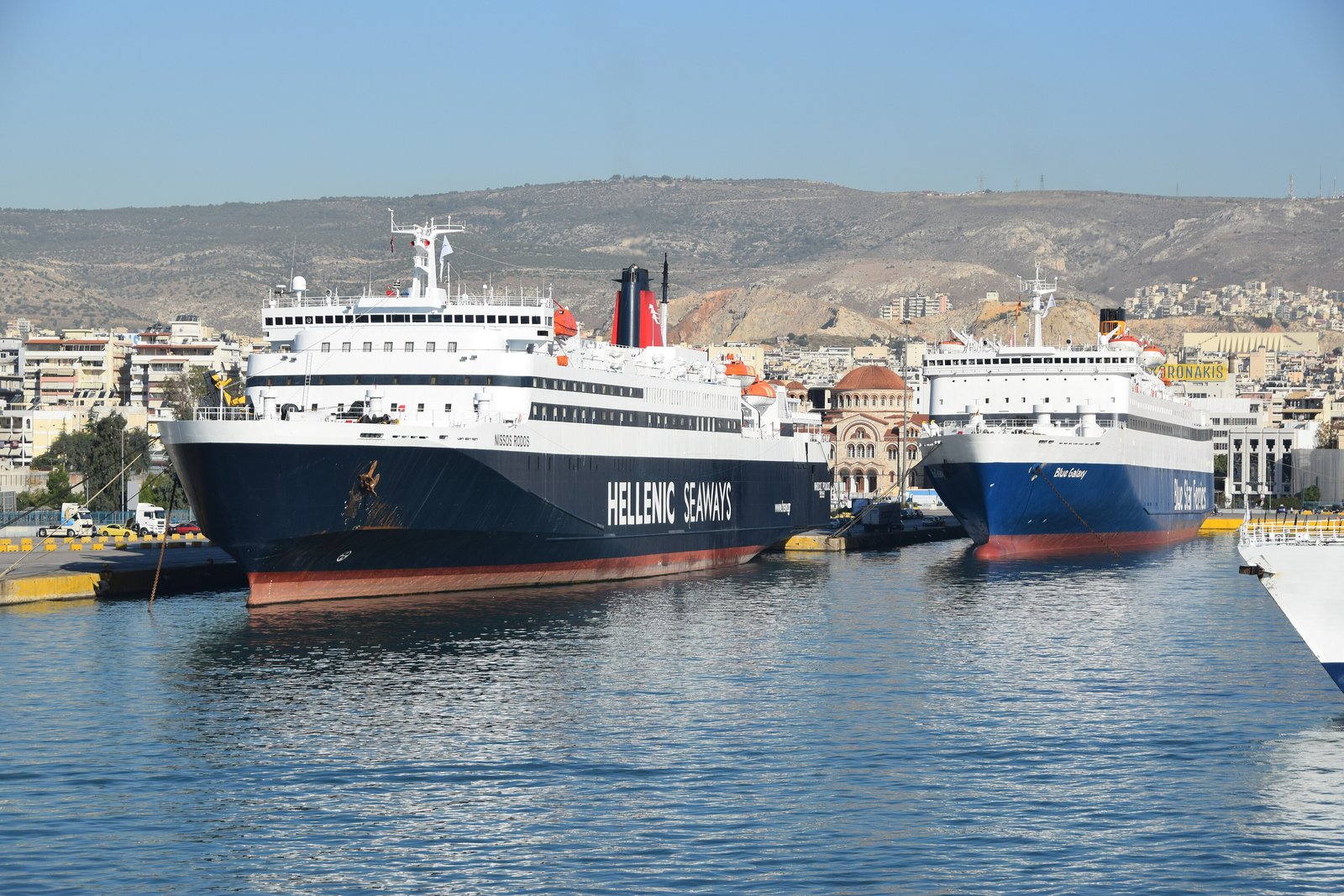
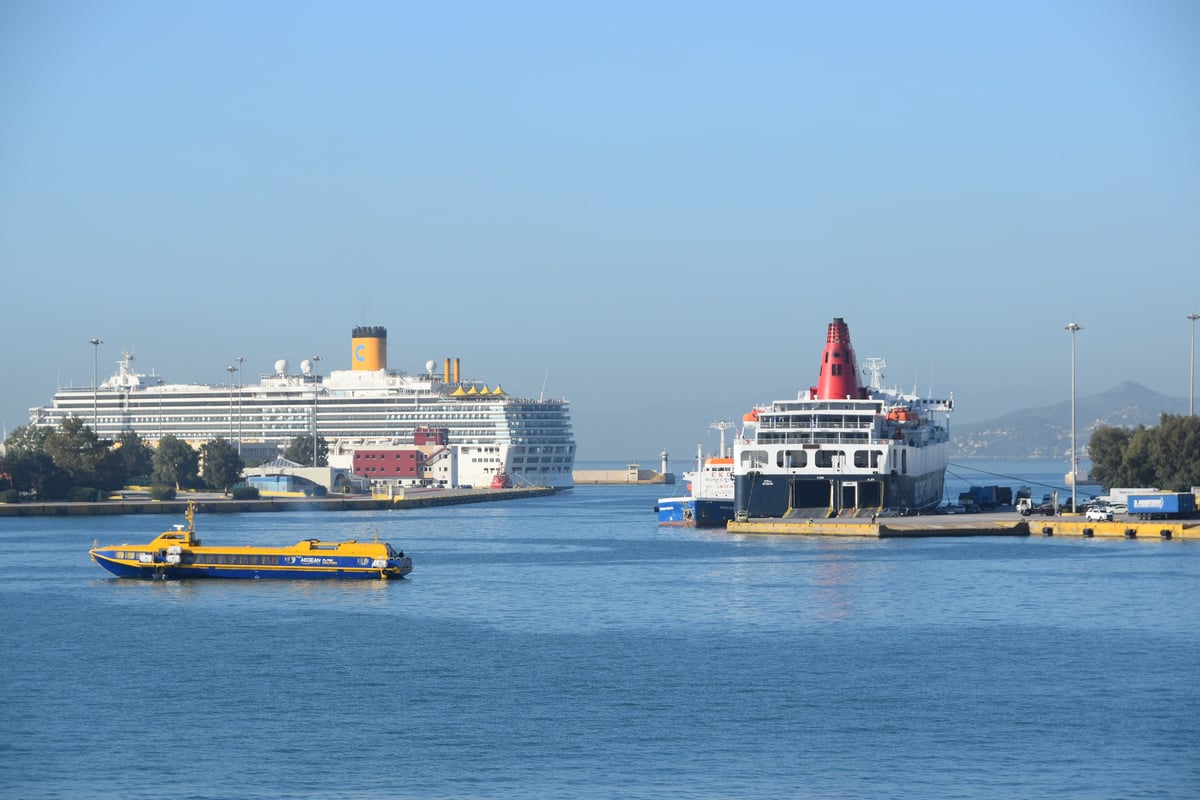
The single biggest thing to grasp: Piraeus is huge, with numbered gates (E1, E2, and so on) spread around the harbor, each serving different destinations. Your ferry leaves from a specific gate that can be a long walk — or a short shuttle-bus ride — from the Metro station. Check your gate number in advance (it's often on your ticket or the ferry company's info), and give yourself time to find it. Arriving at the right part of this sprawling port is the main challenge.
Finding your ferry and gate
Once at the port, look for signs and electronic boards showing departures and gates, and don't hesitate to ask port staff — they're used to directing confused travelers. Free shuttle buses circulate around the port to ferry passengers between gates, which helps if your gate is far from where you arrived. Aim to arrive at least 30–60 minutes before departure (more in peak season), as boarding starts well before sailing and the big ferries don't wait.
Tickets and boarding
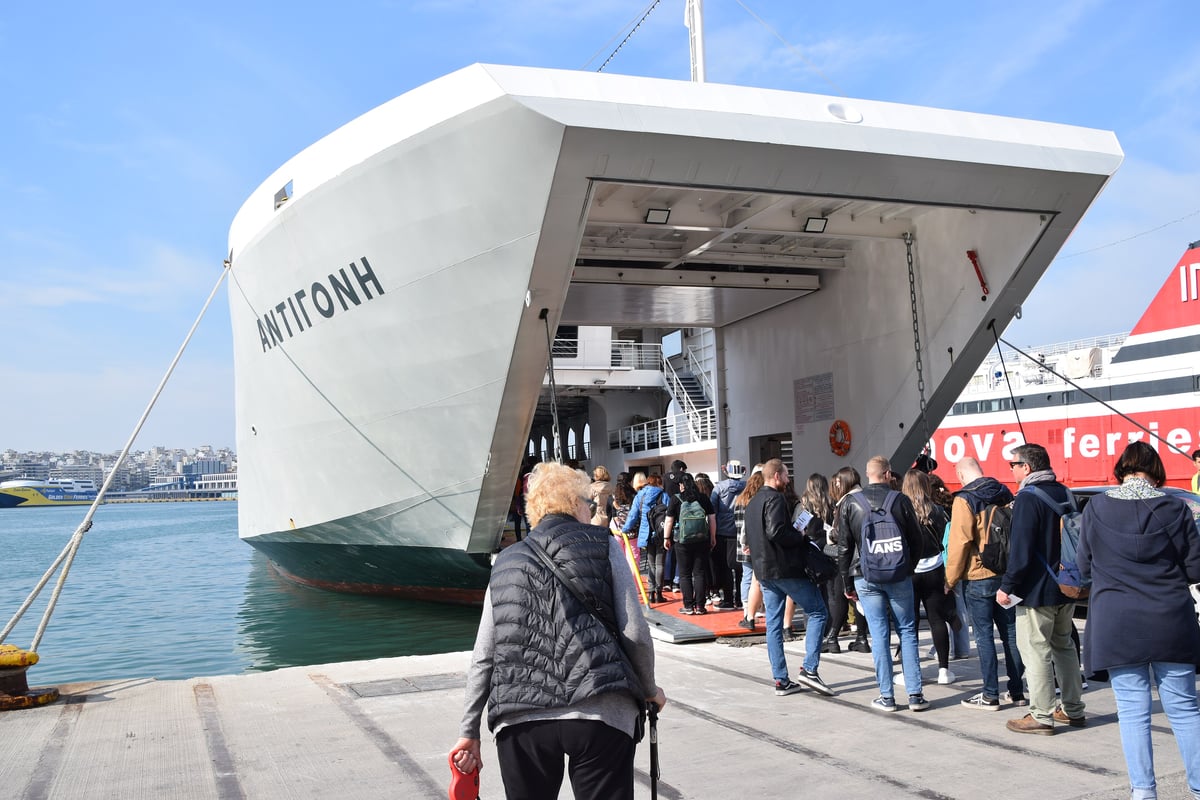
Book your ferry in advance, especially in peak season when popular routes sell out. If you have an e-ticket, check whether you need to collect a physical boarding pass from a port kiosk or the ferry company office, as some operators still require this — don't assume your phone is enough. At the gate, you'll show your ticket and board; on car ferries, foot passengers and vehicles board through the same ramp, so watch for staff directions.
Which port for which island?
From Piraeus you can reach the Cyclades (Santorini, Mykonos, Naxos, Paros), the Saronic Gulf islands, Crete, and more. Note, though, that some Cycladic routes also (or instead) depart from Rafina and Lavrio, two smaller ports east of Athens that can be quicker to certain islands like Mykonos. Always confirm which port your specific ferry uses when you book — turning up at the wrong port is a classic and costly mistake.
Practical tips for Piraeus
A few things that smooth the experience: travel light enough to manage your luggage across the port; bring some cash for snacks or a kiosk, though cards are widely taken; use the restroom and grab water and food before boarding, as port options are limited; and keep an eye on your belongings in the crowds. For an early ferry, consider staying central in Athens (an easy Metro ride) rather than near the port, which isn't a charming area to base in. Because ferry prices and schedules shift by season, check current times and fares as you book.
The bottom line
Piraeus looks daunting but is manageable with a little preparation: get there early via the Metro or airport bus, know your gate number, use the shuttle buses and port staff to find your ferry, and confirm you're at the right port in the first place. Sort those out, and the gateway to the islands becomes the easy, exciting start to your island adventure that it should be.
What to do if you have time before your ferry
If you arrive at Piraeus with time to spare — which you should, given the port's size — you're not stuck in a charmless terminal. Piraeus is a working port city with a few worthwhile spots near the harbor: the Mikrolimano marina, a short distance away, is a pretty yacht harbor ringed with seafood tavernas, ideal for a meal if you have a couple of hours. There are cafés and bakeries around the main port for a coffee and a snack before boarding. That said, the immediate ferry-gate area is functional rather than scenic, so don't plan to linger there. The smarter play for most first-timers is to base in central Athens (a 20–30 minute Metro ride away) and time your arrival at the port to a comfortable buffer before departure — enough to find your gate without stress, but not so much that you're killing hours at the docks. If you do have a long wait, the Metro back into the city and a return is entirely feasible for an early-afternoon sailing.
FAQ
How do I get to Piraeus port from Athens?
The Metro (Line 1) reaches Piraeus from central Athens in about 20–30 minutes — the cheapest, most reliable way. From the airport, the X96 bus goes directly around the clock, or take a taxi or private transfer.
How early should I arrive at Piraeus port?
At least 30–60 minutes before departure, more in peak season. The port is large with gates spread around the harbor, so you need time to find yours and board, as the big ferries don't wait.
How do I find my ferry at Piraeus?
Check your gate number (E1, E2, etc.) in advance, follow the signs and departure boards, use the free shuttle buses between gates, and ask port staff if unsure — they're used to helping travelers navigate the large port.
Do all ferries to the islands leave from Piraeus?
Most do, but some Cycladic routes depart from Rafina or Lavrio, smaller ports east of Athens that can be quicker to islands like Mykonos. Always confirm which port your specific ferry uses when booking.
Do I need a paper ticket for the ferry?
Sometimes — some operators require you to collect a physical boarding pass from a port kiosk or office even with an e-ticket, so check in advance rather than assuming your phone is enough.