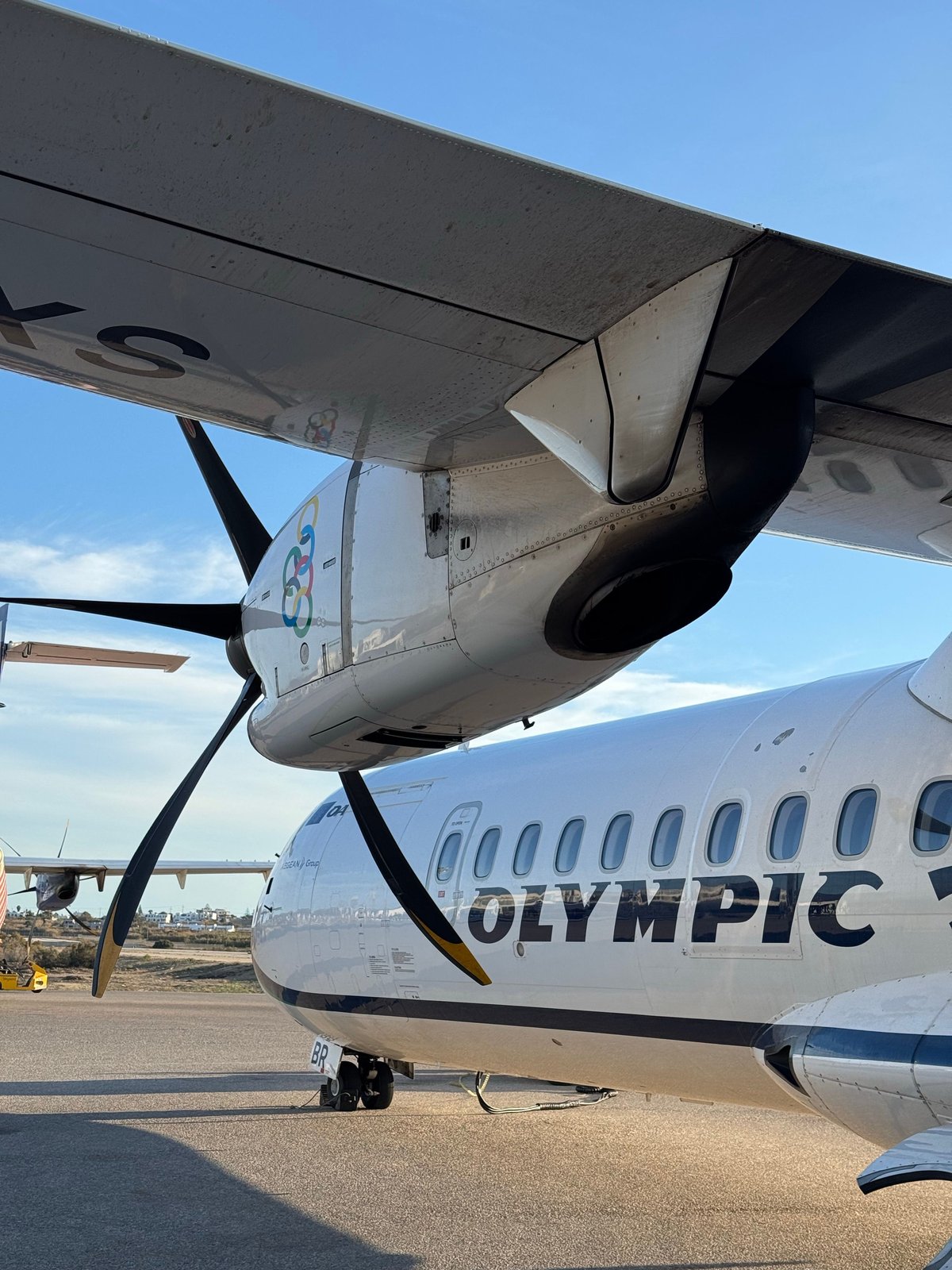
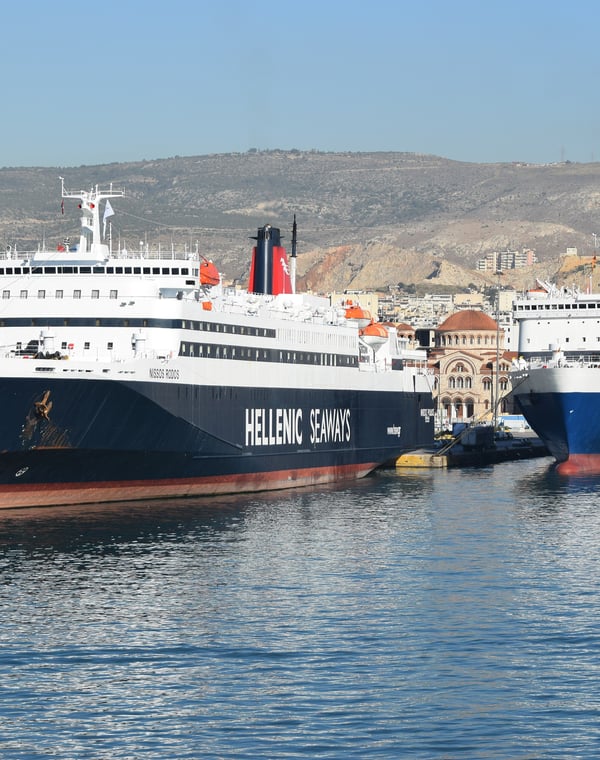
Ferries are the romantic way to island-hop, but sometimes a flight is the smart move — especially for longer distances or when time is tight. Greece has a well-developed network of domestic flights connecting Athens to the islands and beyond, and knowing when to fly versus sail can save you a precious day. This guide covers domestic flights in Greece: the routes, when flying beats the ferry, and how to fit flights into a first-timer's trip.
This article contains affiliate links. If you book through them we earn a small commission at no extra cost to you.
How domestic flights work in Greece
Greece's domestic network hubs through Athens International Airport, with frequent flights to the bigger islands — Santorini, Mykonos, Crete (Heraklion and Chania), Naxos, Paros, and more — plus Thessaloniki in the north. Flights are operated by Greece's national carrier and several smaller and budget airlines. Most island flights from Athens are short, typically 40 minutes to about an hour.
When to fly instead of taking the ferry
Flying makes the most sense in a few situations. For long distances — Athens to Crete — a one-hour flight beats a ferry of 8–9 hours or more. On a short trip where every hour counts, flying Athens–Santorini (about 45 minutes vs 5–8 hours by ferry) saves most of a day. And for getting home, flying your final island-to-Athens leg avoids a long ferry on departure day. The ferry wins for short hops, scenery, and flexibility; the plane wins for distance and time.
When the ferry is still better
Flights aren't always the answer. For short Cycladic hops (like Naxos to Paros, or island to neighboring island), the ferry is faster door-to-door once you factor in airport time, and far more scenic. Ferries also run between islands directly, while flying often means routing back through Athens (most island-to-island air travel isn't direct). And ferries carry more luggage flexibility and that classic island-hopping feel. For the heart of a Cyclades trip, ferries usually win.
The Athens hub factor
An important quirk: most domestic flights route through Athens. There are limited direct flights between islands, so flying from, say, Santorini to Mykonos may not be practical or direct — the ferry is usually better for that. Think of flights mainly as Athens-to-island connections (and back), not as a way to hop directly between islands. This shapes how you'd use them: fly the long legs to and from Athens, ferry between the islands themselves.
Booking domestic flights
Book ahead in peak season, when popular island flights fill up and prices rise. Budget carriers can offer good deals but watch for baggage fees and restrictions that can erode the savings. Check which Athens terminal and how much time you need for connections if you're linking to an international flight — leave a comfortable buffer, especially on departure day, since a missed connection home is costly. Because fares vary widely by season, route, and how far ahead you book, compare current prices rather than assuming a fixed cost.
Fitting flights into your trip
For most first-timers, the smart pattern is: fly the long legs, ferry the short ones. Fly Athens to a distant or time-sensitive island (Crete, or Santorini on a short trip), ferry between neighboring Cyclades, and fly your final island back to Athens to connect to your flight home — remembering there are no direct U.S. flights from the islands, so you route through Athens regardless. This hybrid gets you the best of both: the scenic ferry experience where it shines, and time-saving flights where they count.
The bottom line
Domestic flights are a valuable tool for a Greek trip when used wisely: fly the long Athens-to-island legs and the journey home to save time, but keep ferries for the short, scenic Cycladic hops. Book ahead, mind the baggage rules, leave a buffer before international connections, and you'll move around Greece efficiently without losing the magic of the islands.
Airports on the islands: what to expect
Island airports are generally small and straightforward, which is mostly good news but worth knowing. Santorini and Mykonos have busy seasonal airports that can feel crowded and chaotic at peak times, with limited facilities and tight security lines — arrive with time to spare. Crete's airports (Heraklion and Chania) are larger and busier. Smaller islands like Naxos and Paros have modest airports served by smaller propeller planes, which adds to the charm but means tighter baggage limits and weather sensitivity. Across the board, island airports can see weather delays (wind, especially), facilities are basic, and the popular summer routes fill up, so book ahead and don't schedule a tight connection. Factoring in getting to the airport, checking in, and the flight itself, a short island flight still eats a chunk of the day — but far less than the equivalent long ferry, which is the whole point on time-sensitive legs.
FAQ
Are there domestic flights between Greek islands?
Most domestic flights route through Athens, with limited direct island-to-island connections. Think of flights mainly as Athens-to-island legs — for hopping between neighboring islands like Naxos and Paros, the ferry is usually better.
Should I fly or take the ferry in Greece?
Fly the long legs (Athens to Crete) and time-sensitive ones (Athens–Santorini on a short trip) to save hours. Take the ferry for short Cycladic hops, scenery, and flexibility. A hybrid of both works best.
How long are domestic flights in Greece?
Most island flights from Athens are short — typically 40 minutes to about an hour, compared to ferry journeys of several hours or more for the same routes.
Can I fly from Santorini to Mykonos?
Direct island-to-island flights are limited, so it's often not practical — the ferry (about 2–3 hours) is usually the better choice for that hop. Flights mainly connect islands to Athens.
How do I get home from the islands?
Fly your final island leg back to Athens to connect to your U.S. flight — there are no direct flights home from the islands. Leave a comfortable buffer before your international departure, especially in windy weather that can disrupt travel.