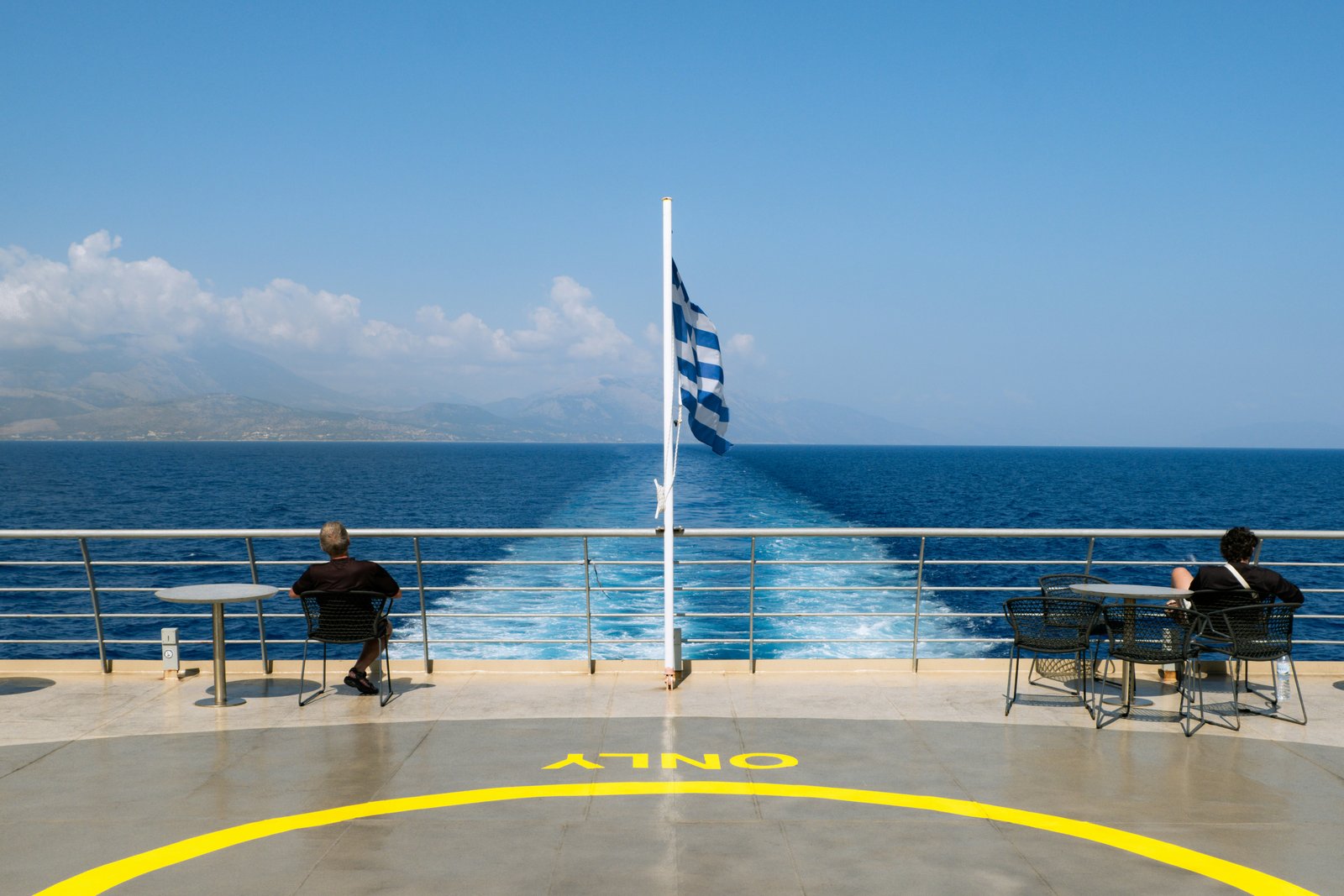
Here's the thing about Greece that catches first-timers off guard: you don't really drive it, you ferry it. The islands are the destination, and the boats between them are how the whole trip strings together. Once that clicks, Greece stops feeling overwhelming and starts feeling like a choose-your-own-adventure. This guide covers how island hopping actually works, how to plan a realistic route, and the rookie mistakes worth avoiding.
How island hopping works
Nearly everything radiates out from Athens' port, Piraeus, a short Metro ride from the city center. From there, ferries fan out across the Aegean. The Cyclades — Santorini, Mykonos, Naxos, Paros — are the classic first-timer cluster: close together, well connected, and endlessly photogenic. You pick a handful, hop between them by boat, and fly back to Athens from the last one to connect to your flight home.
Fast ferries vs. slow ferries
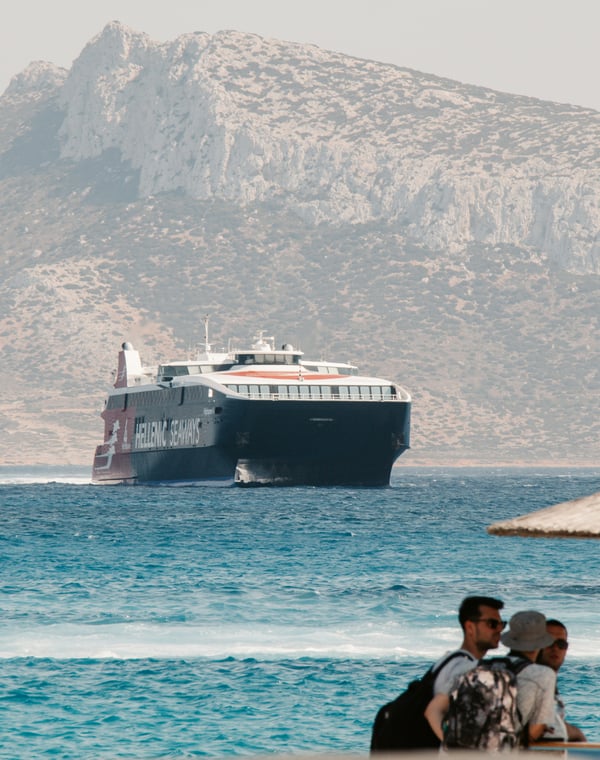
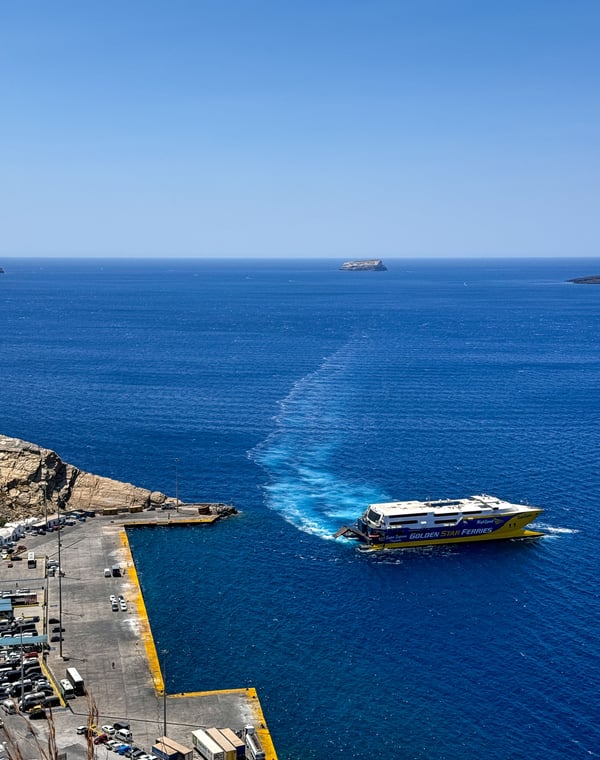
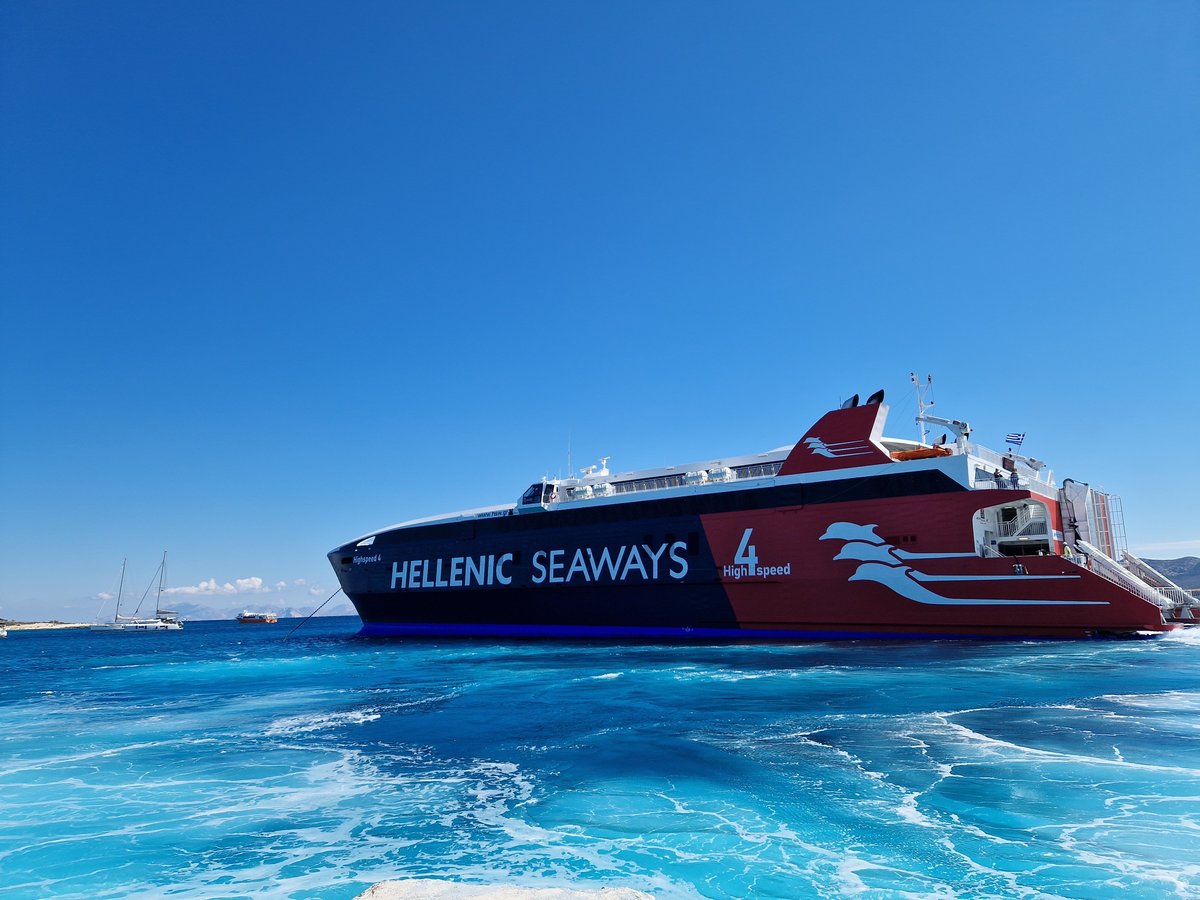
Two kinds of boats serve most routes. High-speed ferries (catamarans) are quicker but pricier, more prone to cancellation in high winds, and can be bumpy. Conventional ferries are slower, cheaper, steadier, and often more pleasant — you sit on deck with a coffee and watch the islands go by. For a first trip, mixing both is fine; just know that the fast boat to Santorini might be 5 hours where the slow one is closer to 8.
Building a realistic route
The single most common first-timer mistake is trying to see too many islands. Each hop eats the better part of a day by the time you check out, get to the port, sail, and settle into the next place. A good rule: spend at least three nights per island, and combine no more than two or three islands in a 10-day trip.
A proven first-timer route
Athens (3 nights) → Naxos (3 nights) → Santorini (3 nights) → fly back to Athens to connect home. It pairs an authentic, relaxed island with the showstopper, keeps ferry legs short, and avoids backtracking. Want nightlife instead of quiet villages? Swap Naxos for Mykonos. Want a single base? Give one island all your island nights.
Which islands combine well
Because the Cyclades sit close together, Paros works beautifully as a hub — it connects easily to Naxos, Mykonos, and Santorini. Naxos and Paros are a natural pair (a short hop apart, and both far better value than their neighbors). Santorini works best as a finale rather than a midpoint, since the short flight from there back to Athens saves a long ferry day before your trip home.
Booking your ferries
Book popular high-speed routes and anything in the July–August peak in advance — they sell out. In shoulder season (May, June, September, early October) you usually have more flexibility, but schedules thin out, so always check the current timetable. Sailings are seasonal and change year to year, and the summer meltemi wind can disrupt or cancel Cyclades crossings, especially on the fast catamarans. Build a little buffer before your international flight so a cancelled boat doesn't cost you your trip home.
Paying and boarding
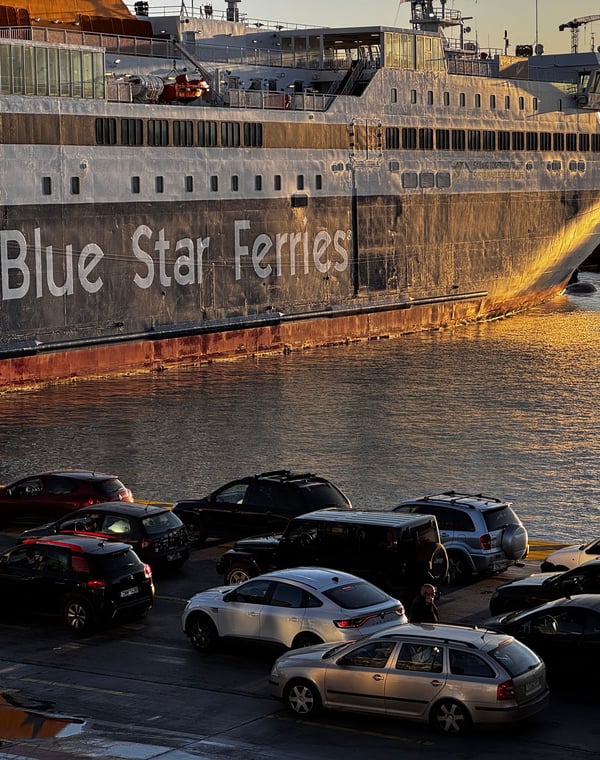
Cards are widely accepted for online ferry booking, but carry some cash for small-island kiosks and the occasional onboard purchase. Arrive at the port early — boarding can be chaotic, vehicles and foot passengers load together, and the big conventional ferries don't wait. Watch the screens and listen for your boat; ports like Piraeus handle many departures at once.