How many Greek islands can you really visit? The honest math by trip length — one for 5 days, two for a week, three for ten days — and why fewer is the better trip.
It's the question behind every first Greek island trip: how many islands can you actually fit in? The honest answer is fewer than you think — and that's a good thing. The travelers who come home raving are almost never the ones who "did" six islands; they're the ones who gave two or three islands room to breathe. This guide covers how many Greek islands to visit by trip length, why less is more, and how to pace it so you're on a vacation, not a relay race.
This article contains affiliate links. If you book through them we earn a small commission at no extra cost to you.
The honest math of an island hop
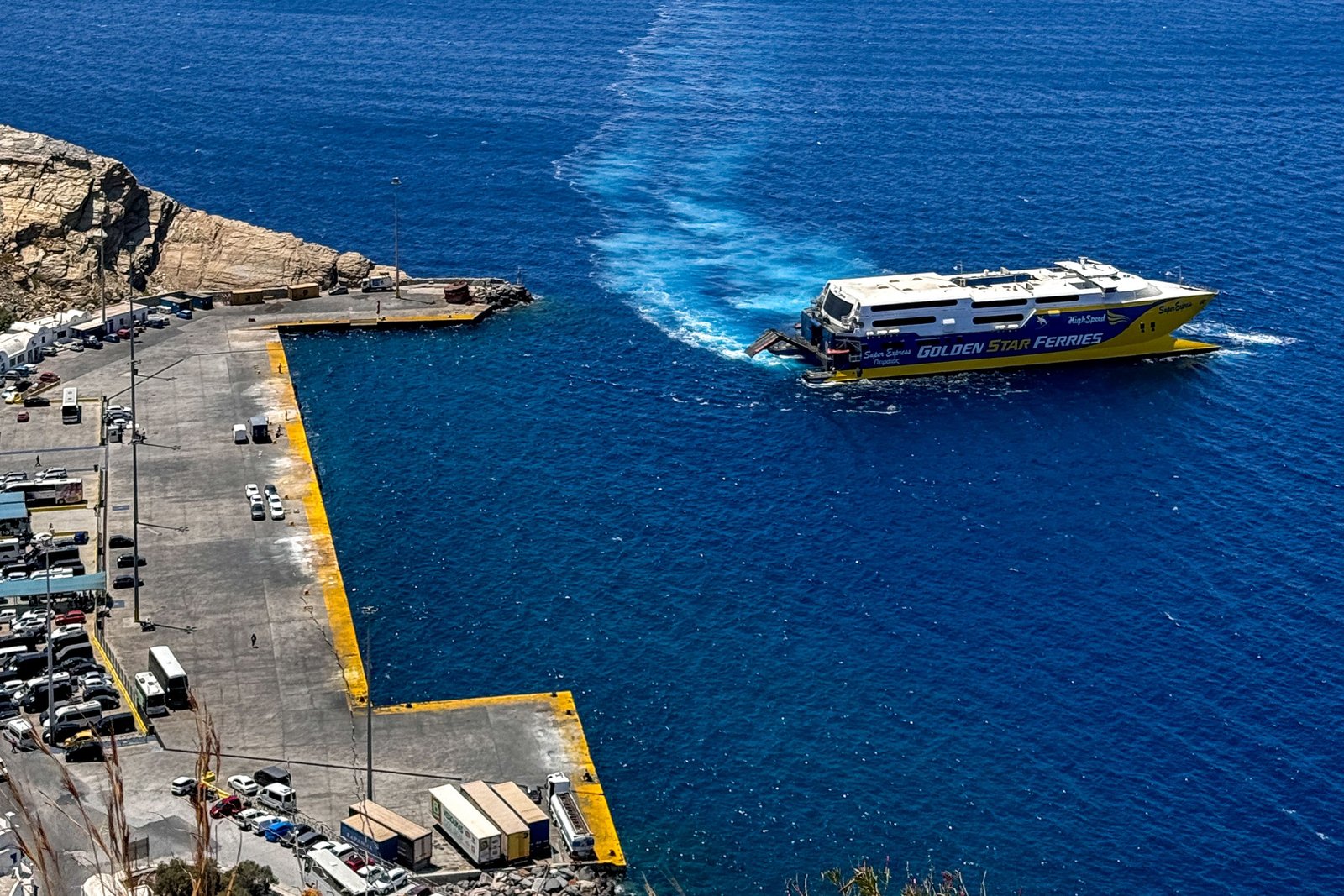
Every island change costs far more than the ferry ride. You pack up, check out, get to the port (often a slow drive on islands like Santorini), wait, sail, arrive, find your next place, and settle in. Realistically, each hop eats the better part of a day. So three islands in a week doesn't mean seven beach days — it means four or five, with the rest lost to logistics. That math is why pacing, not ambition, makes a great trip.
How many islands by trip length
5 days: one island (plus Athens)
With a short trip, resist hopping entirely. Do a couple of nights in Athens and one island, or skip Athens and give a single island the whole stretch. One island, done well, beats two done in a rush.
7 days: two islands (plus Athens)
A week is the sweet spot for Athens plus two islands — typically one relaxed island and one showstopper. Two hops total, short ones, with enough time on each to actually unwind.
10 days: two to three islands
Ten days comfortably fits Athens plus two islands at a relaxed pace, or three if you keep the legs short and don't mind a quicker rhythm. This is the classic first-timer length.
14 days: three to four islands
Two weeks lets you add a third island, or fold in Crete (via a short flight) for variety, while still keeping a humane pace. Even here, four islands is a sensible ceiling for a relaxing trip.
Why fewer islands is the better trip
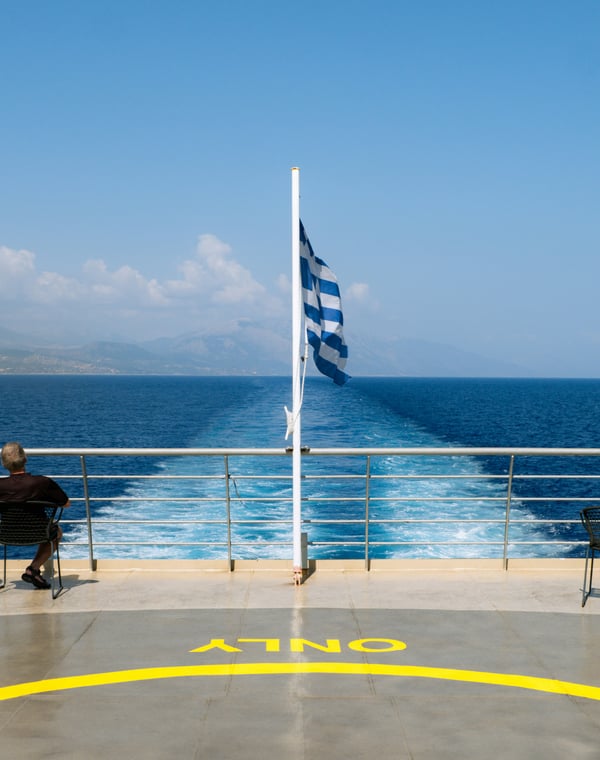
Beyond the logistics, there's a deeper reason to go slow. The magic of the Greek islands reveals itself in the unhurried moments — the long lunch that turns into an afternoon, the beach you go back to because you loved it, the taverna where they remember you on night two. You can't get that while constantly packing. Depth beats breadth: two islands you actually know, rather than five you photographed and left. The islands aren't going anywhere; you can always come back for different ones.
If you must see more, fly the long legs
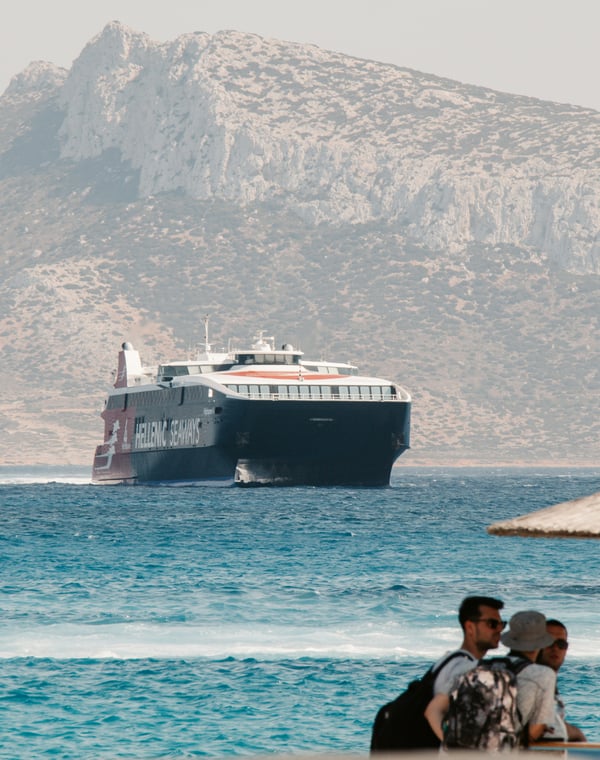
Determined to cover more ground? The way to do it without losing days is to fly the long legs rather than ferry them. A roughly one-hour domestic flight from Athens to a distant island like Crete beats a 9-hour overnight ferry. Keep ferries for the short Cycladic hops between neighbors, and use flights to cover real distance. Even so, more destinations always means more transit time — there's no way around the math.
Pacing tips that protect your trip
A few rules keep the pace humane: spend at least three nights per island so a travel day still leaves real time; move between neighboring islands, not across the map; put the relaxed island first and the showstopper last; and never schedule an island hop on your final day, since there are no direct flights home from the islands and you'll need to route back through Athens. Build a buffer before your international flight — the summer meltemi wind can cancel fast ferries, and you don't want a missed boat to cost your trip home.
The bottom line
One island for five days, two for a week, three for ten days, up to four for two weeks — and always lean to the lower number if you value relaxation over a checklist. The best first trip to Greece isn't the one that fits the most islands; it's the one that gives you enough time on each to feel like you were actually there.
Signs you've planned too many islands
It's easy to over-plan in the excitement of booking, so here's a gut check. If your itinerary has you changing hotels every two nights, you've packed in too many. If you're catching a ferry on more than about a third of your days, too many. If you've got a hop scheduled for your arrival day or departure day, rework it — jet lag and flight-day stress don't mix with ports. And if you can't name what you actually want to do on each island (beyond "see it"), that's a sign it's a checklist, not a trip. The fix is always the same: cut an island, add the nights to the ones that remain, and let the trip slow down. Nobody comes home wishing they'd spent less time on the island they loved.
FAQ
How many Greek islands can I visit in a week?
Two is the sweet spot for a week, plus a couple of nights in Athens — usually one relaxed island and one showstopper. That's two short hops with enough time on each to unwind.
How many islands in 10 days?
Two at a relaxed pace, or three if you keep the ferry legs short. Ten days is the classic first-timer length and fits Athens plus two islands very comfortably.
Is it worth visiting just one island?
Absolutely, especially on a trip of five days or fewer. One island done well — with time to settle in and return to favorite spots — beats two done in a rush.
How many nights should I spend per island?
At least three. Because each hop eats most of a day, fewer than three nights means a travel day swallows most of your time on that island.
How can I see more islands without losing time?
Fly the long legs (like Athens to Crete) instead of taking long ferries, and keep ferries for short hops between neighboring Cyclades. Even so, more destinations always means more transit.