Renting a Car in Greece: What Americans Should Know
Renting a car in Greece as an American: why you must carry an International Driving Permit, where a car is worth it, booking tips, and what island driving is like.
Renting a car transforms a Greek trip — it's the best way to explore the bigger islands and the mainland, reaching mountain villages, remote beaches, and ancient sites that buses can't. But for American travelers there's one crucial requirement that catches many people out and can leave you stranded at the rental desk or uninsured in an accident: the International Driving Permit. This guide covers everything Americans need to know about renting a car in Greece, starting with that all-important document.
This article contains affiliate links. If you book through them we earn a small commission at no extra cost to you.
The most important thing: you need an IDP
To legally rent and drive a car in Greece, U.S. visitors are required to carry an International Driving Permit (IDP) alongside their regular U.S. driver's license. The IDP is essentially an official translation of your license. This is not optional or a technicality — without it, a rental company can refuse to hand over the car, and more seriously, your insurance may be void if you have an accident while driving without one, and you could face fines if stopped by police.
How to get an IDP
Getting one is easy and cheap, but you must do it before you leave the U.S. — you can't get a valid one once you're in Greece. In the United States, IDPs are issued by AAA (and one other authorized body); you apply with your valid U.S. license, two passport photos, and a small fee, and can often get it same-day at a AAA office or by mail. It's valid for one year. Carry it together with your physical U.S. license — the IDP isn't valid on its own.
Where renting a car makes sense
A car is most worth it on the larger islands and the mainland. Crete practically requires one to see its spread-out highlights. Naxos, Paros, and other bigger islands reward a car for reaching mountain villages and remote beaches. On the mainland, a car opens up day trips like Delphi and the Peloponnese. Conversely, on small islands or where you're staying in one walkable town (or in Athens itself), you often don't need one — and parking can be a headache.
Booking and what to expect
Book ahead in peak season, when cars get scarce and prices rise. Many travelers rent a small car or, on islands, an ATV/quad or scooter for short hops (though these carry their own safety considerations and licensing rules). Expect manual transmission to be the default — automatics are available but fewer and pricier, so reserve one specifically if you need it. Check the fuel policy, and inspect the car for existing damage before driving off.
Driving in Greece: what to know
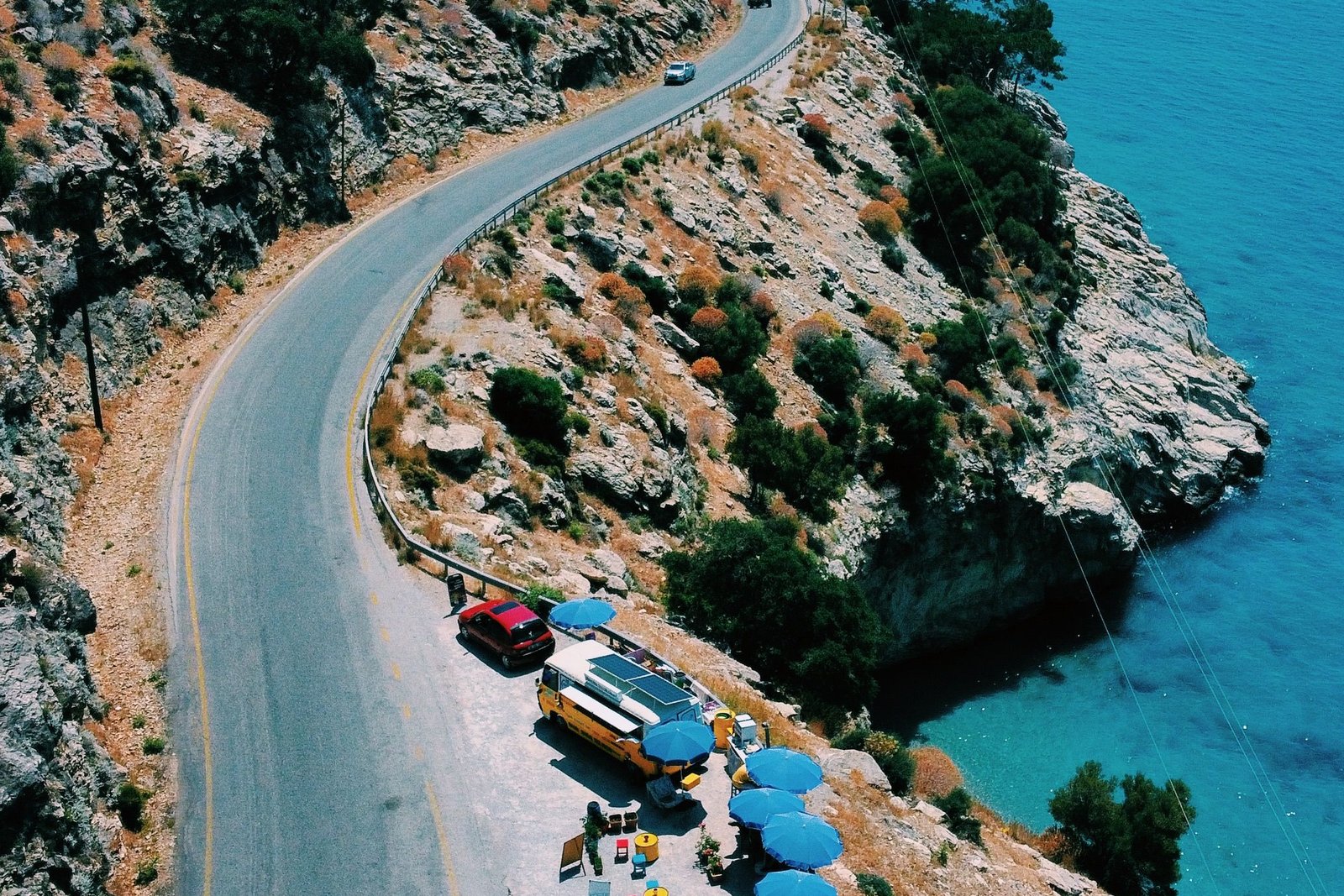
Greeks drive on the right (same as the U.S.). Roads on the islands can be narrow, winding, and steep, sometimes unpaved to remote beaches, so drive cautiously and take it slow on mountain routes. Local driving can be assertive. Watch for scooters, and be aware that some roads marked on maps are rougher than expected. Fuel stations can be sparse in remote areas, so fill up before long drives. Seatbelts are mandatory, and drink-driving limits are strict.
Insurance and extras
Rental rates usually include basic insurance, but the excess (deductible) can be high. Consider whether to reduce it via the rental company or your own travel insurance / credit card coverage — check what your card actually covers abroad before relying on it. Note that driving on unpaved roads or with an ATV may void insurance with some companies, so read the terms. Because rental and insurance prices vary by season, island, and company, compare current options as you book rather than assuming a fixed cost.
The bottom line
A rental car is one of the best ways to experience Greece's bigger islands and mainland — but for Americans, it hinges on one piece of preparation: get your International Driving Permit before you travel. Sort that out, book ahead in peak season, drive cautiously on the winding island roads, and you'll unlock the parts of Greece that most visitors never reach.
Car vs ATV vs scooter on the islands
On the islands you'll often see three rental options, and the right one depends on the island and your comfort level. A car is best for larger islands (Crete, Naxos), longer distances, families, luggage, and anyone wanting protection from sun and wind — it's the safe, versatile default. An ATV/quad is popular for short island hops and feels fun and breezy, but they're involved in many tourist accidents, offer no crash protection, and some rentals require a specific license category — treat them with real caution and wear a helmet. A scooter/moped is cheap and nimble for confident riders but exposed and risky on gravelly or winding roads. For most American first-timers, especially on bigger islands or with family, a small car is the sensible choice; the ATV's appeal is real but so are the risks, and the same IDP-and-insurance rules apply to all of them. Whatever you choose, confirm exactly what your license and IDP cover before riding off.
FAQ
Do Americans need an International Driving Permit to rent a car in Greece?
Yes — U.S. visitors are required to carry an International Driving Permit alongside their U.S. license to legally rent and drive in Greece. Without it, rental companies can refuse the car, your insurance may be void in an accident, and you could be fined.
How do I get an International Driving Permit?
Get it before you leave the U.S. — you can't obtain a valid one in Greece. AAA issues them with your valid license, two passport photos, and a small fee, often same-day. Carry it together with your physical U.S. license.
Do I need a car in Greece?
It's most worth it on larger islands like Crete, Naxos, and Paros, and on the mainland for day trips. On small islands, walkable towns, or in Athens, you often don't need one, and parking can be a hassle.
Are rental cars in Greece manual or automatic?
Manual transmission is the default and most common. Automatics are available but fewer and more expensive, so reserve one specifically in advance if you need it.
Is driving in Greece difficult?
Greeks drive on the right, like the U.S. Island roads can be narrow, winding, steep, and sometimes unpaved, so drive cautiously and slowly on mountain routes. Fill up on fuel before long drives in remote areas.
Keep planning
Not sure how the islands fit together?
Pick your trip length and we'll route a real island-by-island plan — ferries included.