Greece·for Americans
Athens

November 17 in Athens: the Polytechnic anniversary, the march and what closes

What the November 17 Polytechnic anniversary means for a visitor to Athens: where the march goes, what closes, and how to plan that day and where to stay.

Editorial7 min readPublished November 03, 2026
November 17 in Athens: the Polytechnic anniversary, the march and what closes
On this page
  1. 01What November 17 commemorates in Athens
  2. 02Where the November 17 march goes
  3. 03What closes in Athens on November 17
  4. 04How to plan your sightseeing day on November 17
  5. 05Where to stay in Athens the week of November 17
  6. 06Is Athens safe for tourists on November 17?
  7. 07FAQ

If your Athens dates include November 17, you'll be in town for the anniversary of the 1973 Polytechnic uprising. It's the most important political date on the city's calendar. For most of the day Athens works normally, so this isn't a reason to change your flights. But one afternoon and evening, a band of the center running from the Polytechnic to Syntagma Square and on toward the US Embassy turns into a march route. It gets a heavy police presence and some metro closures.

Below is what the date commemorates, where the march goes, what actually closes and what stays open. Then, for an American visitor, how to plan the day so it costs you nothing.

What November 17 commemorates in Athens

November 17 in Athens marks the night in 1973 when the military junta sent a tank through the gate of the Athens Polytechnic. Students had occupied the school for three days. The uprising was crushed, but the junta fell the following summer, and November 17 became the anniversary of resistance to the dictatorship. Greeks commemorate it every year with wreaths at the Polytechnic and a march through central Athens.

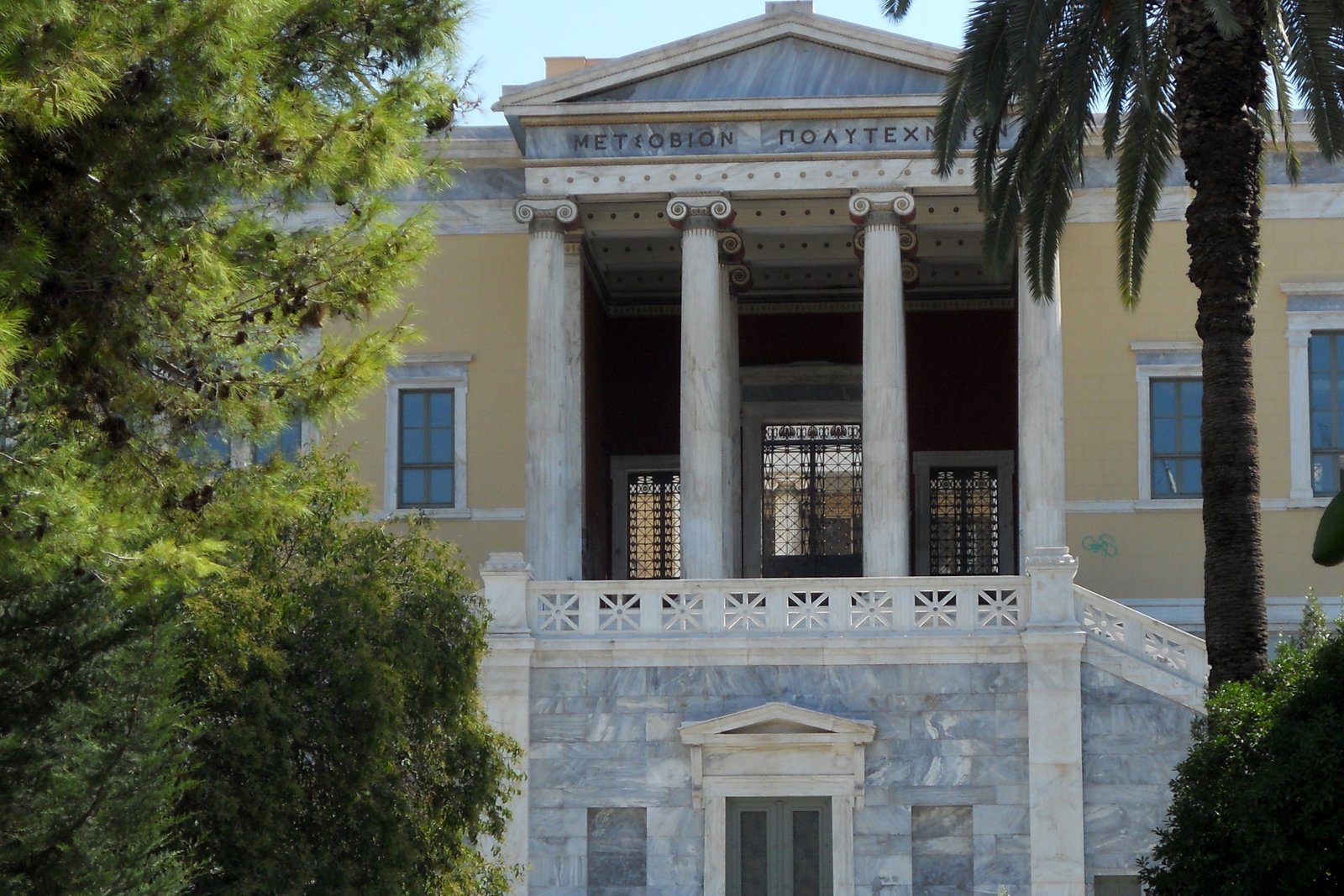
The Polytechnic in question is the old campus on Patision Street (officially 28is Oktovriou Street), at the edge of the Exarchia neighborhood. In the days before the anniversary its courtyard opens to the public. People bring flowers to the memorial by the gate where the tank came through, and the mood there is quiet and respectful. If you want to see the commemoration rather than avoid it, those daytime visits on the days before the 17th are the calm way to do it.

For the many Greeks who lived through the junta years, this is a remembrance, not a festival. Treat the wreath-laying the way you'd treat a memorial service at home: walk through, don't pose, and keep photos of mourners to a minimum.

Where the November 17 march goes

The November 17 march in Athens starts at the Polytechnic on Patision Street in the afternoon. It heads south through the city center to Syntagma Square and the Greek Parliament, then continues east along Vasilissis Sofias Avenue toward the US Embassy. The embassy route goes back to the 1970s: many Greeks hold Washington responsible for backing the junta. Expect large crowds, banners and a very visible police cordon along the whole corridor.
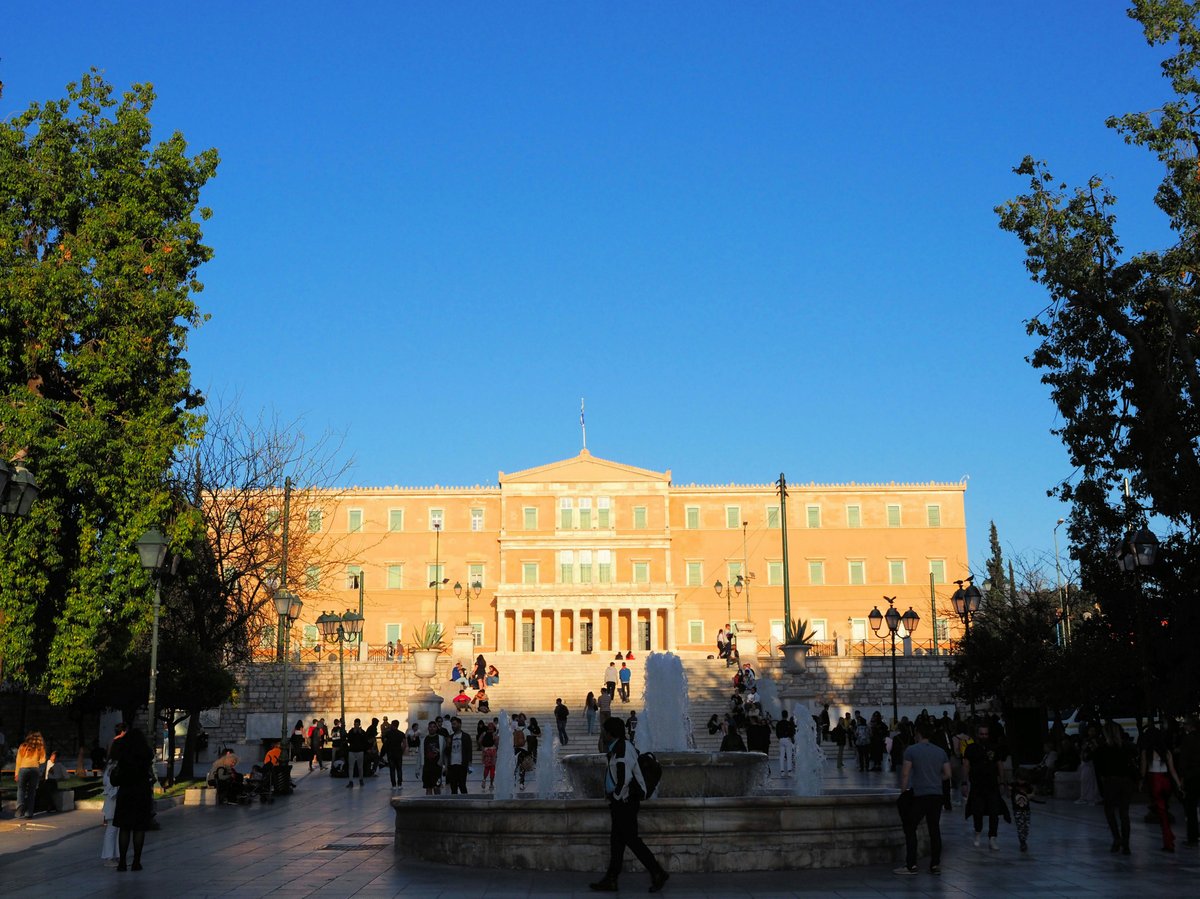
Wide view across Syntagma Square toward the Greek Parliament building, with trees, a fountain and people walking in low afternoon sun

The march itself is overwhelmingly peaceful: unions, student groups and political parties walking behind their banners. The tension that makes the news usually comes later, after dark, in and around Exarchia. Small groups have clashed with riot police there in many years, and tear gas drifts through the surrounding streets. That's the part to stay well clear of, and it's easy to do, because it happens in a predictable place at a predictable time.

As an American, you don't need to hide your nationality anywhere in Athens. The march is aimed at a government and a history, not at tourists. But there's no reason to walk toward the embassy end of the route on the afternoon of the 17th, and you'll see far more of the city by being somewhere else.

What closes in Athens on November 17

On November 17 in Athens, the closures are concentrated in the center. Police normally close the metro stations nearest the march route for the afternoon and evening, and streets along Patision, Panepistimiou, Syntagma and Vasilissis Sofias are blocked to traffic. Schools and universities observe the date. November 17 isn't a national public holiday, though, so shops, restaurants and most museums elsewhere in the city keep their normal hours.

Which stations close, and for how long, is announced shortly before the day by the police and the Athens metro operator. It varies from year to year, so check the morning of the 17th rather than relying on last year's list. The practical effect is the same every time. If your plan for the afternoon involves changing trains at Syntagma or getting off anywhere between Omonia and the embassy district, have a backup. Walking around the closed segment is usually quicker than waiting for it to reopen.

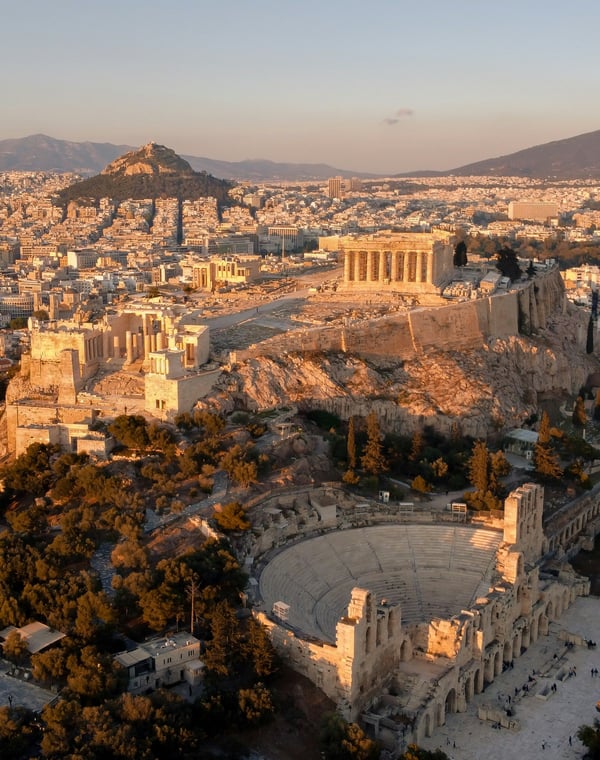
Taxis and ride-hailing apps keep running, but they can't cross the blocked avenues. A ride from Koukaki to Kolonaki on the afternoon of the 17th can take far longer than the map suggests. Buses and trolleys that normally run up Patision or along Panepistimiou are diverted. Out of the center, Athens carries on exactly as usual: the Acropolis, Plaka's lanes, Koukaki, the Riviera coast and Piraeus aren't on the route.
How to plan your sightseeing day on November 17

The best November 17 plan in Athens is a south-of-center day. Do the Acropolis and the Acropolis Museum in the morning, have lunch in Koukaki or Plaka, and spend the afternoon on the south side, well away from the march. The one major sight to move to another day is the National Archaeological Museum. It stands right next to the Polytechnic on Patision Street, in the middle of the commemoration.

Here's a simple way to arrange the week:

  • November 15–16: a good time for the National Archaeological Museum, and for a respectful walk past the Polytechnic memorial if you're curious.
  • November 17 morning: the Acropolis, the Ancient Agora or the Acropolis Museum. All are south of the route and run normally.
  • November 17 afternoon and evening: stay south or along the coast. Plan a long lunch, a walk on Filopappou Hill, or dinner in Koukaki. Skip Exarchia and the embassy end of Vasilissis Sofias.
  • November 18: the city is back to normal. Put anything in the north of the center here.

If you have a ferry or a flight that day, leave earlier than you normally would. The airport metro (Line 3) comes in from the east, under the march corridor, so a closure at Syntagma can break that connection in the afternoon. The 9 airport ticket is still the right choice in the morning. In the afternoon, a taxi that avoids the center may be the more reliable option. Our guide to arriving in Athens covers the airport options in full.

Where to stay in Athens the week of November 17

For the week of November 17, the easiest Athens bases are south of Syntagma: Plaka, Koukaki and Makrygianni, under the Acropolis. All three sit outside the march route, they're quiet on the evening of the 17th, and they keep the sights you came for within walking distance. The neighborhoods to avoid that week are Exarchia and the streets around the Polytechnic, where the evening disturbances concentrate.

Monastiraki and Psyrri are fine on most nights. On the 17th, though, they put you closer to the crowds and to the station closures in the center than you need to be. Syntagma hotels are convenient for 51 weeks of the year, but on this one afternoon they sit directly on the route, with the square closed off below your window. For a full rundown of what each area is like the rest of the year, see where to stay in Athens and our guide to the Athens neighborhoods.

→ Compare Athens hotels in Plaka and Koukaki

Is Athens safe for tourists on November 17?

Athens is safe for tourists on November 17 as long as they keep their distance from two predictable things: the march corridor in the afternoon and Exarchia after dark. Visitors who spend the day at the Acropolis and eat dinner in Plaka or Koukaki usually notice nothing except helicopters overhead and a few closed metro stations. The risk is being in the wrong street at the wrong hour, not being in Athens.

A few habits keep it that way. Don't film police lines or protesters up close. If you smell tear gas, walk away from the wind and the noise rather than toward it to see. And keep an eye on local news or your hotel desk on the morning of the 17th, because they'll know the day's closures before any guidebook does. If you're caught out, any side street heading south toward the Acropolis takes you away from the action within a few blocks.

FAQ

Is November 17 a public holiday in Greece?

No. Schools and universities observe it, but shops, restaurants, banks and most museums keep normal hours. The disruption comes from the march and the police cordon, not from closures across the city.

Is the Acropolis open on November 17?

The Acropolis is south of the march route and isn't affected by the commemoration, so it makes a good morning plan for the day.

Which metro stations close on November 17?

The stations nearest the march route in the center, usually for the afternoon and evening. The exact list is announced shortly before the day and changes from year to year, so check the morning of the 17th.

Should I cancel a trip to Athens because of November 17?

No. It affects one afternoon and evening in one part of the center. Plan that day south of Syntagma and move anything near Patision Street to the 15th, 16th or 18th.

Keep planning
Not sure how the islands fit together?

Pick your trip length and we'll route a real island-by-island plan — ferries included.

Build your trip →

Keep reading