Athens for First-Timers: Everything You Need to Know
Everything a first-timer needs for Athens: how long to stay, the must-see sights, the neighborhoods, the food, and how to get from the airport to the islands.
Most first trips to Greece begin in Athens — it's where the transatlantic flights land and where the ferries to the islands depart, so you'll pass through whether you plan to or not. The good news: two or three days here is the perfect on-ramp to Greece. You get the Acropolis and 2,500 years of history, some of the country's best food, and a buzzing modern city, all in a compact, walkable core. This guide covers everything a first-timer needs to know about Athens: how long to stay, where to go, and how to make the most of it before the islands.
This article contains affiliate links. If you book through them we earn a small commission at no extra cost to you.
How long to spend in Athens
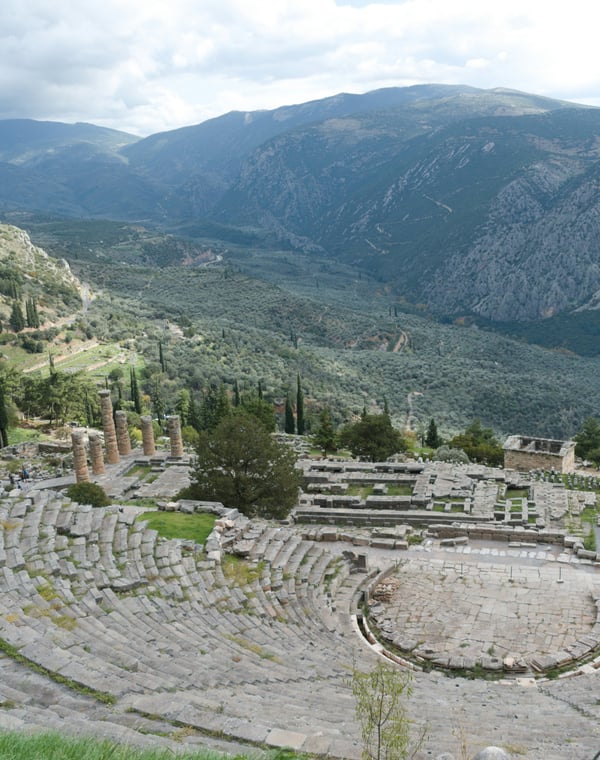
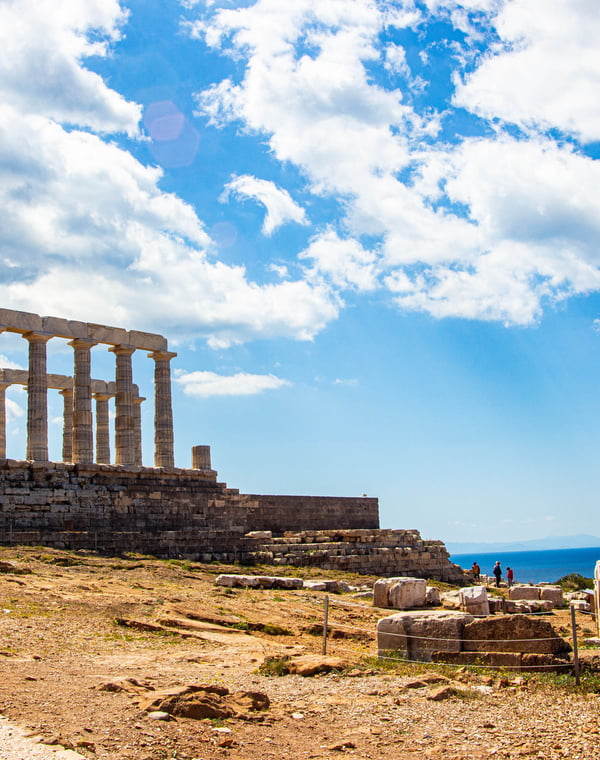
For most first-timers, two to three days is the sweet spot. Two days covers the essentials — the Acropolis, the museums, and the old-town neighborhoods. A third day lets you slow down or take a day trip (Cape Sounion's sunset temple, or Delphi). More than three days and most travelers are itching for the islands; Athens is a fantastic opener, not usually the main event of a first trip.
Getting in from the airport
Athens International (ATH) connects to the center three easy ways. The Metro (Line 3) runs straight into Syntagma and Monastiraki in about 40 minutes for a few euros. A taxi runs on a fixed daytime flat tariff to the city center (higher at night). The X95 express bus to Syntagma is cheapest and runs around the clock. If your hotel is central, the Metro plus a short walk is the least stressful arrival after a long flight.
The must-see sights
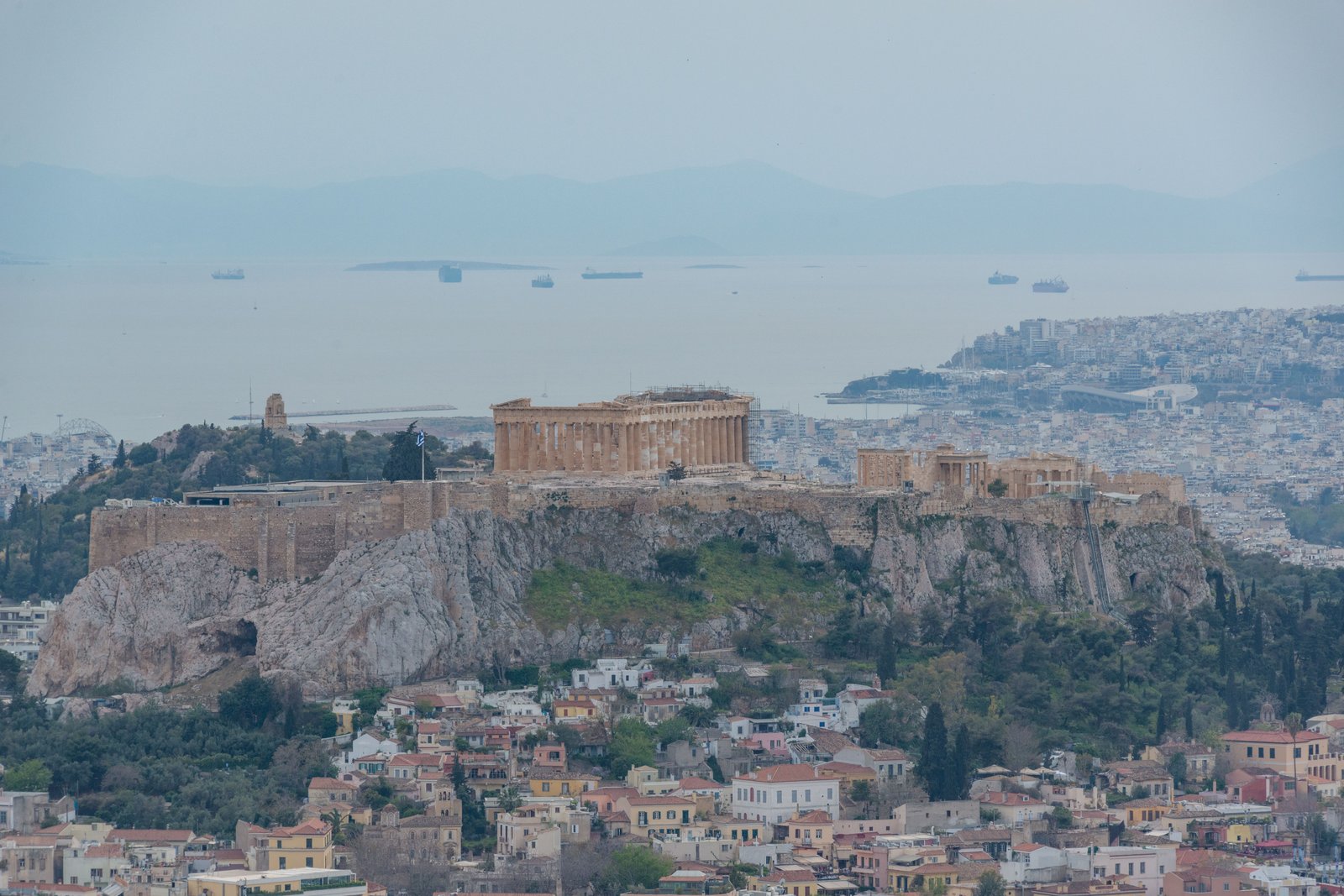
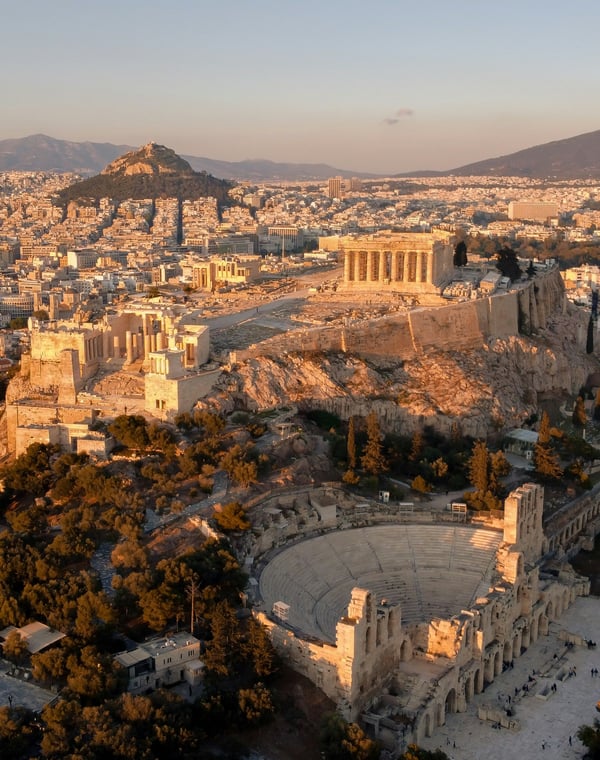
The headliners cluster in the walkable historic core. The Acropolis and its Parthenon are the reason most people come — go at opening or late afternoon to beat the heat and crowds. The modern Acropolis Museum displays the sculptures in context and is worth pairing with the hill. The Ancient Agora, the civic heart of classical Athens, has the beautifully preserved Temple of Hephaestus. And the National Archaeological Museum holds the world's finest collection of Greek antiquities, a short ride north.
The neighborhoods to wander
Athens rewards aimless wandering. Plaka is the charming old town under the Acropolis, all neoclassical houses and bougainvillea. Tiny Anafiotika, tucked against the Acropolis slope, feels like a Cycladic village dropped into the city. Monastiraki buzzes with its flea market and souvlaki strip, and neighboring Psyrri is the go-to for lively bars and mezze. For a local, less touristy feel, Koukaki south of the Acropolis is full of neighborhood cafés.
Eating in Athens
Athens has become a serious food city. Beyond the classic taverna spread — grilled meats, mezze, Greek salad, house wine — you'll find excellent souvlaki and gyros in Monastiraki for a few euros, modern Greek bistros, and a rooftop-bar scene with Acropolis views worth the splurge for sunset drinks. The rule that never fails: walk a few streets back from the main tourist squares for better food at better prices. Greeks dine late (9pm is normal) and linger, so settle in.
Practical tips for Athens
A few things smooth the visit: the Metro is clean, cheap, and reaches the Acropolis, the port at Piraeus, and the airport — a single ticket covers a window of travel. Tap water is safe to drink in Athens. Petty pickpocketing happens in crowded spots (the metro, around the Acropolis), so keep an eye on your bag. Dress modestly to enter churches, and bring sturdy shoes — the marble at ancient sites is slippery and uneven. A combination ticket bundles the Acropolis with several other ancient sites for less than buying separately.
From Athens to the islands
When you're ready for the islands, the port of Piraeus is about 20–30 minutes from the center by Metro, with ferries fanning out across the Cyclades. You generally don't need to stay near the port — base in the historic core and head to Piraeus on your departure morning. Just don't schedule an island-bound ferry for the same day you land from the U.S.; give yourself the Athens days first, then sail.
When to visit Athens
Athens is a year-round city, unlike the islands, but the season shapes the experience. Spring (April–May) and fall (September–October) are ideal — warm but not scorching, perfect for climbing the Acropolis and walking the neighborhoods. Summer (July–August) is hot and can be hazy, and while the sights stay open, midday becomes a battle with the heat; it's also when many Athenians leave for the islands. Winter is mild, quiet, and cheap, with the bonus of near-empty ancient sites, though some rooftop bars and seasonal spots wind down. For most first-timers pairing Athens with the islands, the shoulder months line up perfectly with the best island weather too.
FAQ
How many days do I need in Athens?
Two to three days. Two covers the Acropolis, the museums, and the old town; a third allows a slower pace or a day trip like Cape Sounion or Delphi before you head to the islands.
Is Athens worth visiting, or should I go straight to the islands?
It's well worth a couple of days — the Acropolis and the museums are world-class, the food is excellent, and you'll likely pass through anyway since flights and ferries route through Athens. It's a great opener to a Greek trip.
How do I get from the airport to central Athens?
The Metro (Line 3) reaches the center in about 40 minutes for a few euros, a taxi runs on a fixed flat daytime tariff, and the X95 bus is the cheapest option around the clock.
Is Athens safe for tourists?
Yes, generally very safe. The main issue is petty pickpocketing in crowded tourist areas like the metro and around the Acropolis, so keep an eye on your belongings.
How do I get from Athens to the islands?
Take the Metro to the port of Piraeus (about 20–30 minutes from the center) and catch a ferry. You don't need to stay near the port — travel there on your departure morning.
Keep planning
Not sure how the islands fit together?
Pick your trip length and we'll route a real island-by-island plan — ferries included.