Everything a first-timer needs for Crete: why it's really a small country, how long to stay, where to base, the must-sees, the food, and getting around by car.
Crete is the island that breaks the rules. It's so big and so varied that it's less a Greek island than a small country — with snow-capped mountains, palm-fringed beaches, ancient palaces, gorges, and a food culture worth the trip on its own. For first-timers used to thinking of Greek islands as small and hoppable, Crete asks for a different mindset: pick a region, settle in, and explore. This guide covers everything you need to know about a first trip to Crete: how it works, how long to stay, where to go, and how to see the best of it.
This article contains affiliate links. If you book through them we earn a small commission at no extra cost to you.
Understanding Crete's scale
The first thing to grasp is size. Crete is the largest Greek island by far, stretching roughly 160 miles east to west — Chania to Heraklion alone is about a two-hour drive. You can't "see Crete" in a couple of days the way you might a small Cycladic island. Instead, you pick a base or two, rent a car, and explore by day trips. Trying to do the whole island in a short stay means spending your trip in transit; settling into a region rewards you.
How long to stay
Give Crete at least four or five days to justify the journey, ideally a week. That lets you base in one or two regions and reach the highlights — a Minoan palace, a beautiful old town, a gorge or lagoon beach — without rushing. Because it's so big and rich, Crete works best as a focused trip of its own rather than squeezed alongside several other islands. On a longer Greece trip, fold it in via a short flight rather than the long ferry.
Getting there and around
Reach Crete by a one-hour flight from Athens to Heraklion (HER) or Chania (CHQ), or an overnight ferry from Piraeus (around 9 hours). Once there, a rental car is genuinely the best way to experience Crete — its highlights are spread out and many (gorges, lagoon beaches, mountain villages) aren't reachable by bus. The KTEL bus network links the north-coast towns if you'd rather not drive, but you'll see far less. Note that U.S. visitors should carry an International Driving Permit alongside their license to rent legally — get one before you travel.
Where to base yourself
Match your base to your interests. Chania in the west is the most beautiful town and gateway to the best beaches and gorges — the top first-timer pick. Heraklion is central and the base for the Palace of Knossos. Rethymno is a charming middle-ground compromise. Elounda in the east is the luxury resort zone. Many first-timers split a week between two bases to cut driving and see both ends. We cover this in detail in our where-to-stay and western-vs-eastern guides.
The must-see highlights
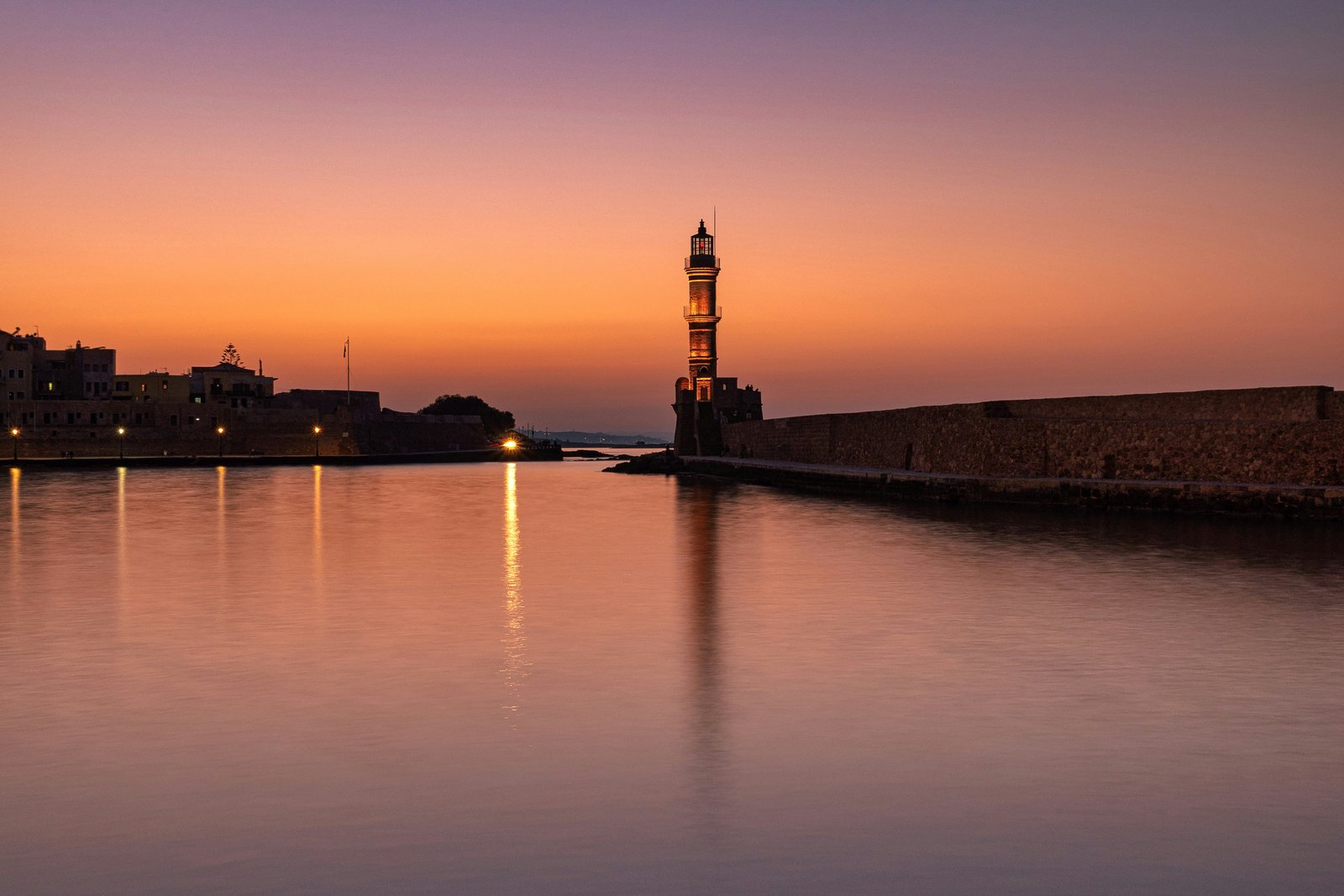
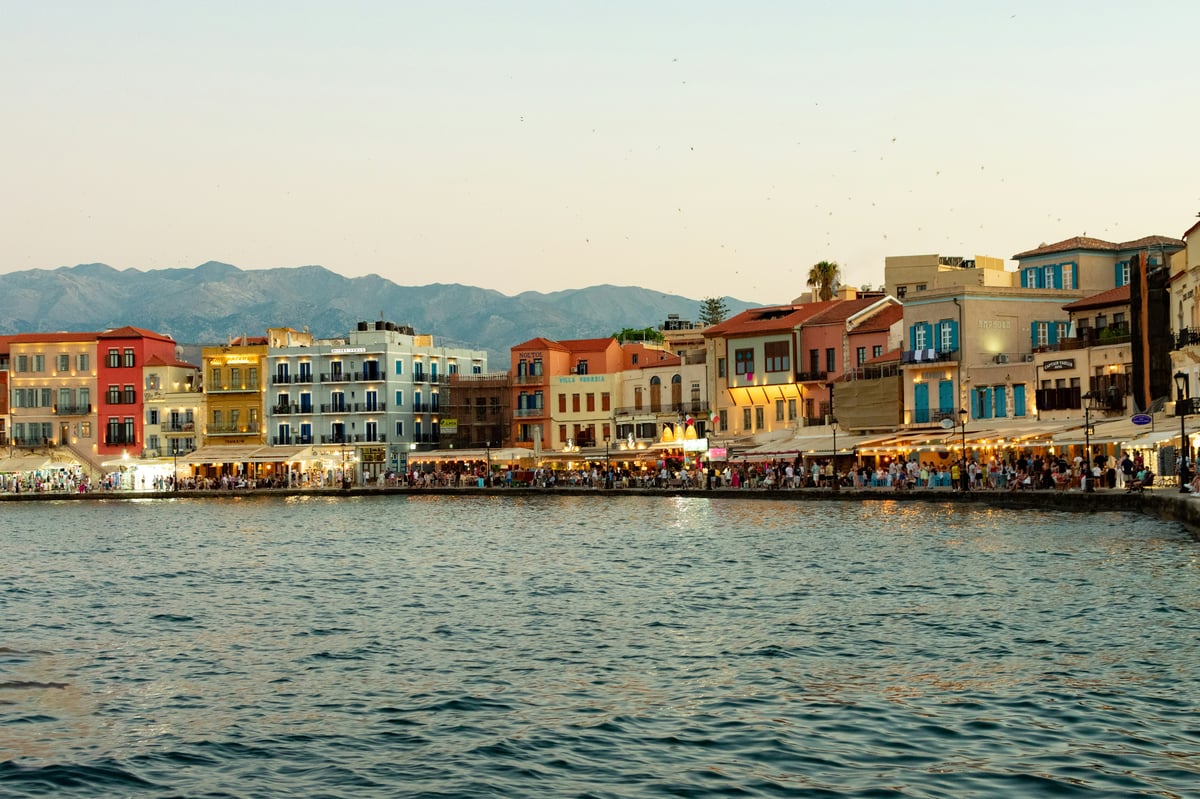
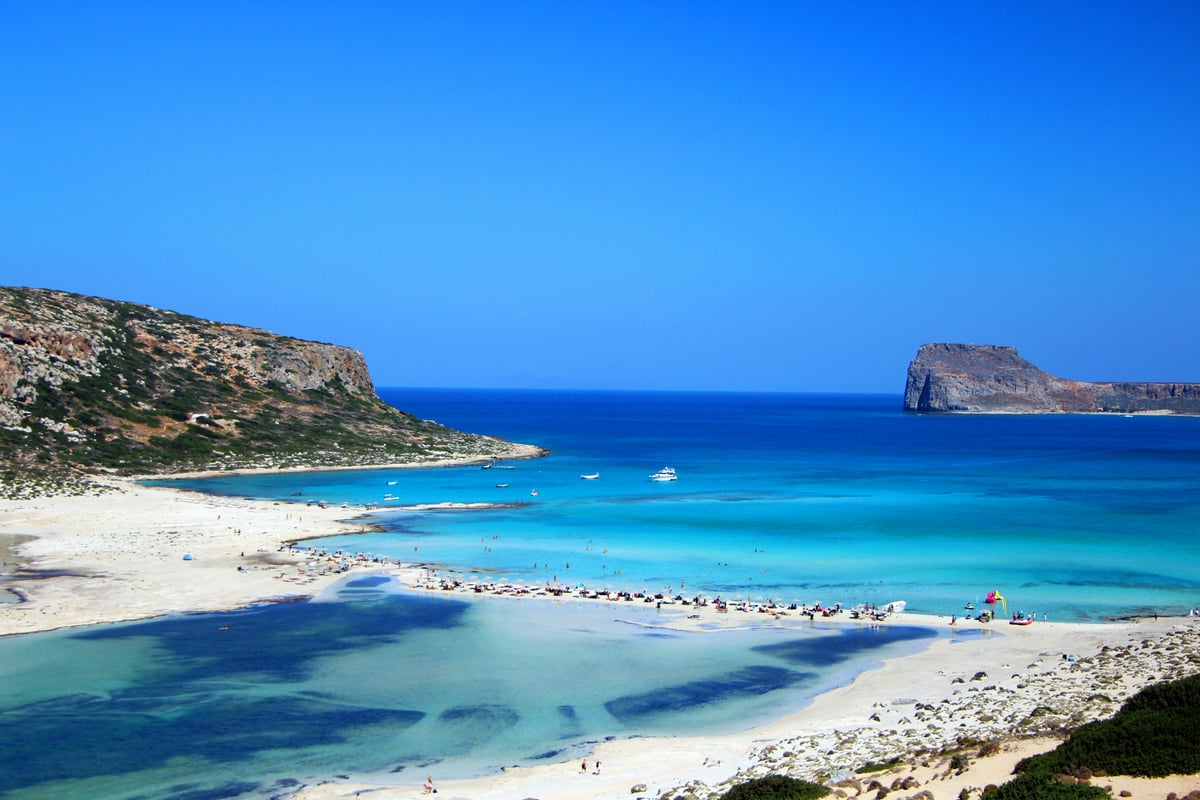
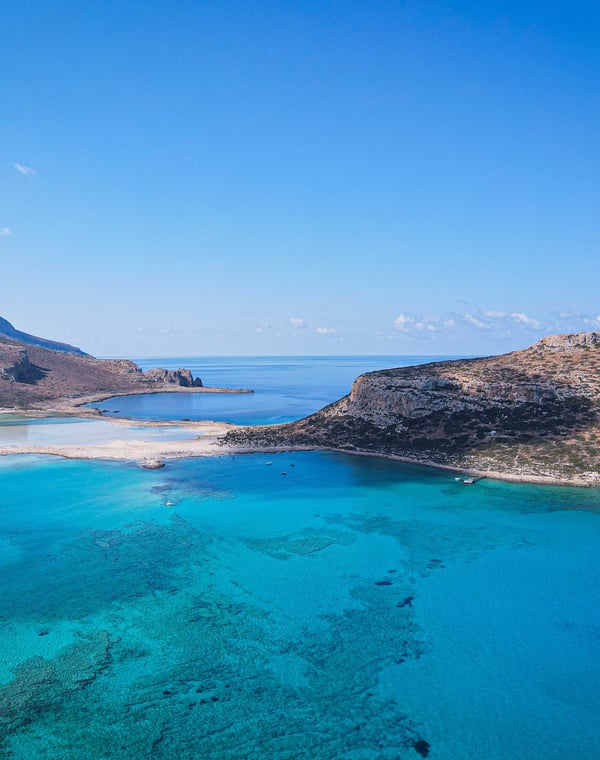
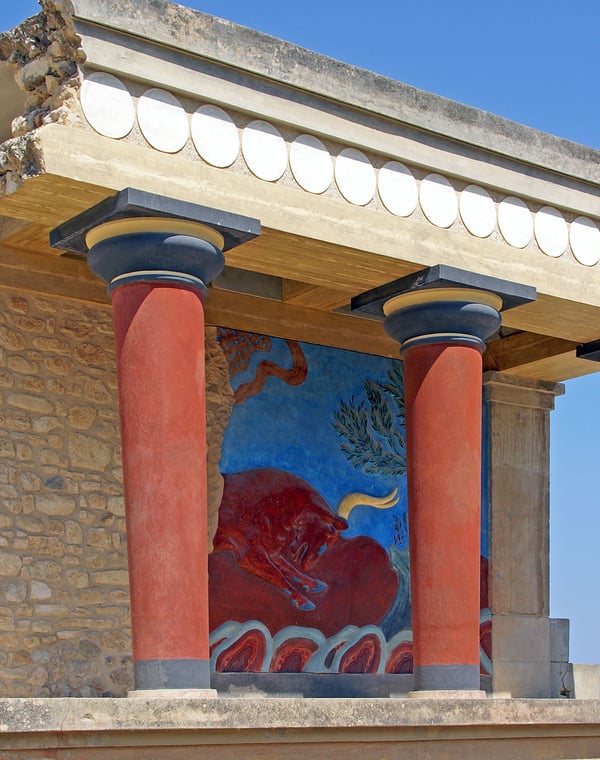
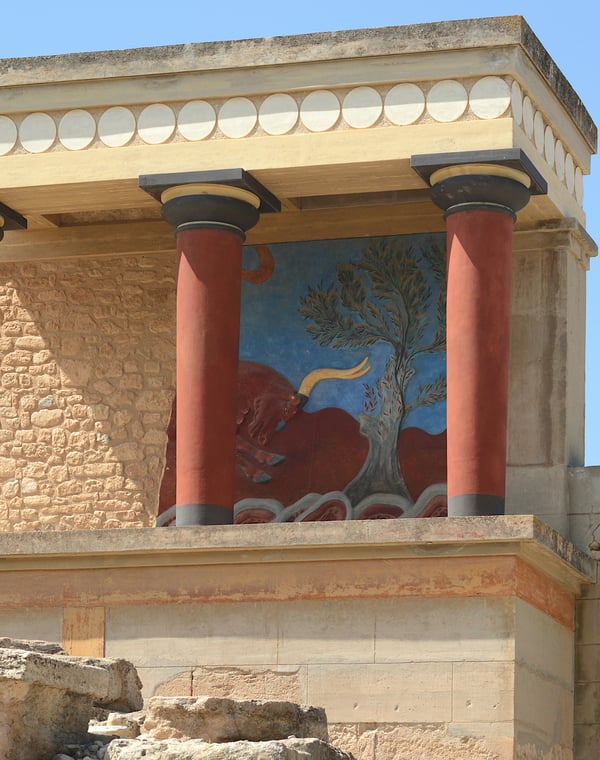
The essentials span history and nature: the Palace of Knossos, the great Minoan palace and Europe's oldest city, near Heraklion; the gorgeous Venetian harbour town of Chania; the dramatic Samaria Gorge hike (seasonal); and the turquoise lagoon beaches of Elafonisi and Balos in the west. Add the Heraklion Archaeological Museum, which holds the Minoan treasures that bring Knossos to life. We break these down in our things-to-do guide.
Cretan food — a highlight in itself
Crete has one of Greece's most celebrated regional cuisines, built on its own excellent produce, cheeses, herbs, olive oil, and the local spirit raki. Dishes like dakos (rusk topped with tomato and cheese), slow-cooked lamb, and fresh seafood are reason enough to linger. Eat at village tavernas in the interior for the most authentic and best-value meals — Cretan hospitality is legendary.
A practical first-timer note
A few things to know: Crete's season runs long thanks to its southern position, but the famous gorges and some boat trips to beaches are seasonal, so check before relying on them. Distances are real, so plan driving time into your days. And if Crete is part of a wider Greece trip, remember there are no direct flights to the U.S. from the island — you'll fly back to Athens to connect home. Because rates and tours shift with season and demand, check current prices as you book rather than trusting a fixed figure.
When to visit Crete
Crete's southern position gives it the longest season of any Greek island — it warms up earlier and stays mild later than the Cyclades. Spring (April–May) is glorious: wildflowers, green hills, comfortable hiking weather, and the gorges opening up. June and September are ideal all-rounders — warm seas, open everything, fewer crowds than midsummer. July and August are hot and busiest, with the famous beaches packed and prices high, though the island's size means it absorbs crowds better than a small island. Autumn (October) stays swimmable and quiet. Even winter has appeal for the towns, Knossos, and the mountains, though many beach resorts and some gorge access close. For a first trip mixing sights, beaches, and maybe a gorge, late spring or September hit the sweet spot.
FAQ
How many days do I need in Crete?
At least four or five to justify the journey, ideally a week. Crete is huge and varied, so it works best as a focused trip where you base in one or two regions and explore by day trips rather than rushing.
Do I need a car in Crete?
Yes, really — a rental car is the best way to reach Crete's spread-out highlights like gorges, lagoon beaches, and mountain villages. Buses link the north-coast towns but won't get you to the remote sights. U.S. visitors need an International Driving Permit to rent legally.
What is Crete known for?
The Minoan Palace of Knossos and Europe's oldest civilization, beautiful towns like Chania, dramatic gorges such as Samaria, turquoise lagoon beaches like Elafonisi and Balos, and one of Greece's best regional cuisines.
Should I combine Crete with other islands?
Crete is so large it's best as its own focused trip. On a longer Greece itinerary you can fold it in via a short flight from Athens rather than the long ferry, but don't try to squeeze it alongside several small islands on a short trip.
How do I get to Crete?
A one-hour flight from Athens to Heraklion or Chania, or an overnight ferry from Piraeus of around nine hours. The flight is usually the better choice for a shorter trip.
Keep planning
Not sure how the islands fit together?
Pick your trip length and we'll route a real island-by-island plan — ferries included.