Timing your trip well is one of the biggest decisions for a Greek vacation — it shapes the weather, the crowds, the prices, and even which islands feel their best. Greece has a long, warm season but a distinct rhythm, and the "best" time depends on what you want from your trip. This guide breaks down the best time to visit Greece season by season, so you can pick the window that fits your priorities for weather, value, and atmosphere.
This article contains affiliate links. If you book through them we earn a small commission at no extra cost to you.
The short answer
For most first-timers, the shoulder seasons — late spring (May–June) and early fall (September–early October) — are the sweet spot: warm and swimmable, smaller crowds than peak summer, and lower prices, with everything open. July and August are peak season — hottest, busiest, priciest, but with the fullest scene. Winter is quiet and cheap, great for Athens and culture but with many island businesses closed. Match the season to what you value most.
Late spring (May–June): the sweet spot
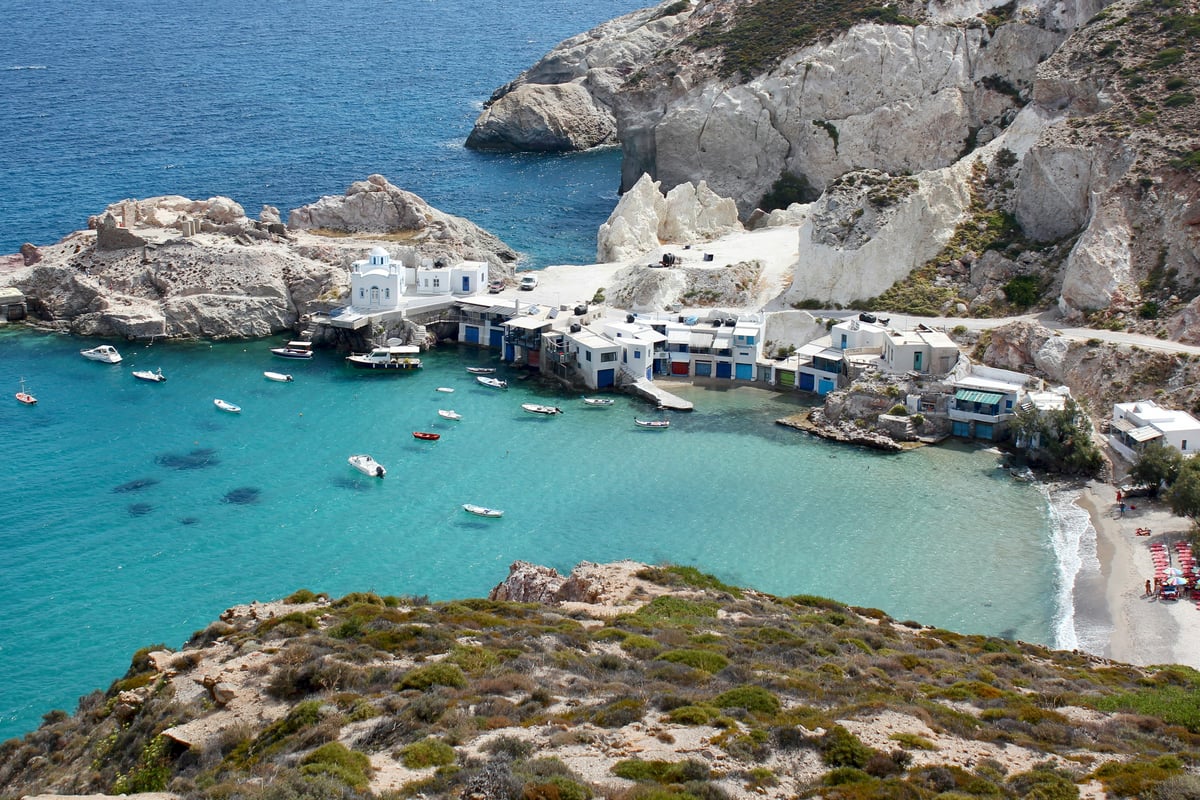
May and June are arguably the best months to visit. The weather is warm and sunny, the sea is warming up enough to swim (especially by June), the islands are green and the wildflowers are out in spring, and the crowds and prices are well below the July–August peak. Everything is open and running. It's ideal for sightseeing, island-hopping, and beaches alike — a wonderful, well-balanced time for a first trip.
Peak summer (July–August): hot and lively
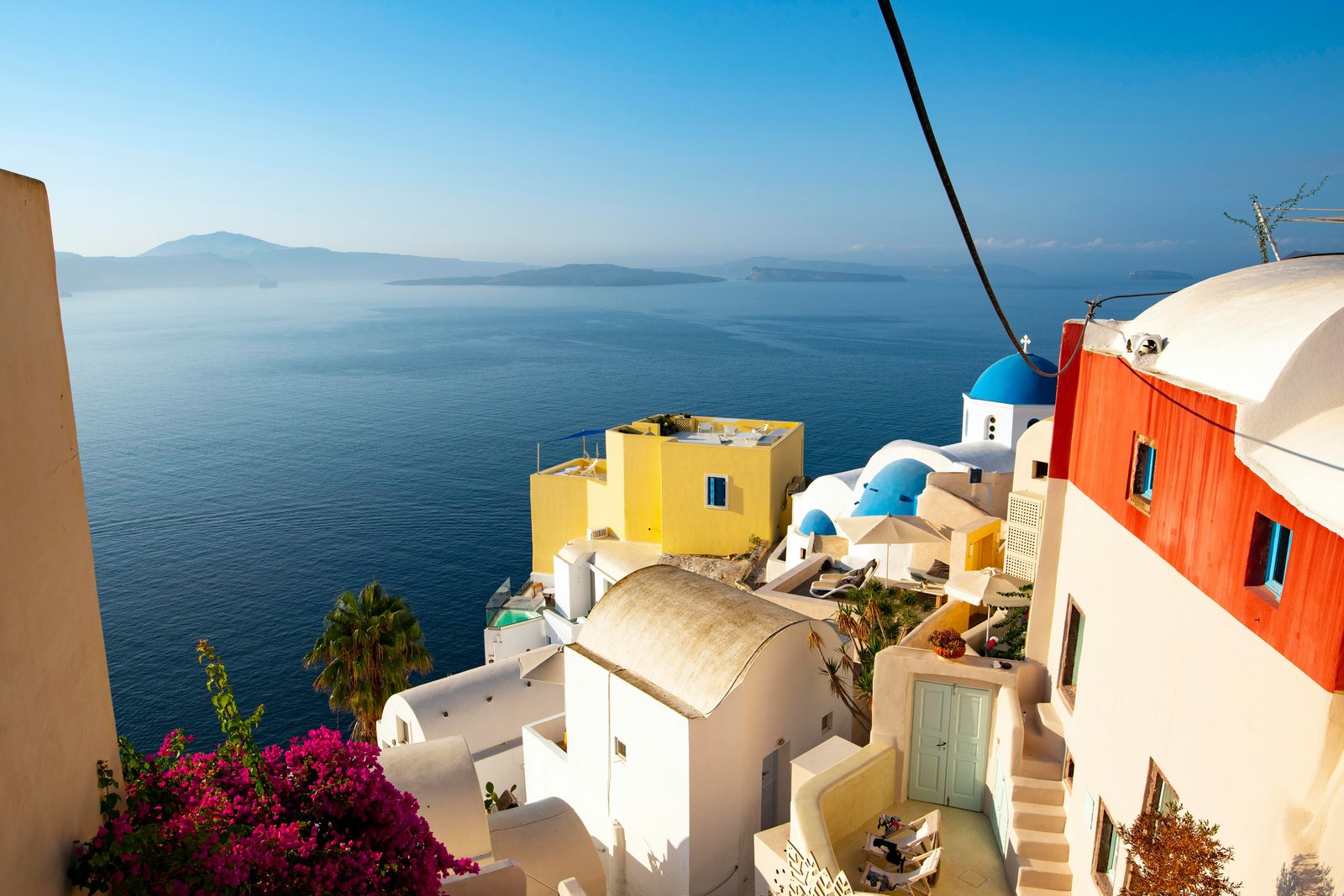
July and August are the high season — the hottest, busiest, and most expensive months. The weather is reliably hot and dry, the sea is at its warmest, and the islands buzz with their fullest energy, nightlife, and events. But you'll face big crowds at the famous sights and islands (Santorini and Mykonos especially), peak prices, and intense midday heat. The meltemi wind can also blow strongly in the Cyclades, affecting beaches and ferries. Great for those who want the full lively scene and don't mind the crowds and cost.
Early fall (September–October): warm and calmer
September is many travelers' favorite: the sea is at its warmest after the summer, the weather is still gorgeous, but the peak crowds have thinned and prices ease. Early October remains pleasant and swimmable, especially in the south, as things wind down. It's an excellent time for a relaxed, warm trip with great conditions and fewer people — the fall counterpart to the spring sweet spot.
Winter (November–March): quiet and cultural
Winter is the off-season. Athens stays mild and is wonderful for ancient sites and museums without the crowds or heat, and prices are low. But on the islands, many hotels, restaurants, and ferries reduce service or close from roughly November to March, the weather is cooler and can be wet, and the lively island scene is dormant. Winter suits travelers focused on Athens, culture, and value, or those wanting a quiet, authentic off-season experience — but it's not the time for an island-hopping beach holiday.
Which season for which traveler?
To match the season to you: First-timers wanting the best balance → May–June or September. Beach and warm-sea lovers → July–September (warmest sea in late summer). Party and full-scene seekers → July–August. Budget and crowd-averse travelers → May, June, September, October. Culture-focused / Athens trips → spring, fall, or even winter. Honeymooners → June or September for romance with fewer crowds. There's a right season for every kind of trip.
Things to consider when timing your trip
A few extra factors: the meltemi wind (strongest in July–August) can disrupt fast ferries and exposed beaches, a point for the Cyclades; island services wind down in the off-season, so check that hotels and ferries run if traveling at the edges; and prices for flights, hotels, and ferries all peak in summer, so shoulder season saves across the board. Because costs shift with season and demand, check current prices for your dates as you plan.
The bottom line
The best time to visit Greece for most first-timers is the shoulder seasons — May–June and September–early October — for the ideal mix of warm weather, swimmable seas, manageable crowds, and gentler prices. Go in peak summer for the fullest lively scene (and accept the crowds and heat), or in winter for a quiet, cultural, Athens-focused trip. Decide what you value most — weather, value, or atmosphere — and there's a perfect Greek season waiting.
Month-by-month quick guide
To zoom in: April is spring — mild, green, good for Athens and sightseeing, though the sea is still cool and some island services are just reopening. May warms up nicely, excellent for sightseeing and early-season island trips with few crowds. June is near-ideal — warm, swimmable, lively but not yet peak-packed. July and August are hot, busy, and expensive, with the fullest scene and strongest meltemi wind. September may be the single best month — warm sea, great weather, thinning crowds. October stays pleasant early on, especially in the south, as the season winds down. November through March is quiet off-season: lovely for Athens and culture at low prices, but many islands largely shut down. If you want one rule of thumb, target June or September — they consistently deliver the best combination of weather, swimmable seas, manageable crowds, and value for a first trip, which is why so many experienced Greece travelers aim for exactly those months.
FAQ
What is the best time to visit Greece?
For most first-timers, the shoulder seasons — May–June and September–early October — offer the best balance of warm, swimmable weather, smaller crowds, and lower prices, with everything open.
Is July or August a good time to visit Greece?
It's peak season — hottest, busiest, and priciest, with the fullest lively scene and warmest sea. Great if you want the energy and don't mind big crowds, high prices, intense heat, and the strong summer meltemi wind in the Cyclades.
When is the sea warmest in Greece?
Late summer into early fall — September has the warmest sea after the summer's heat, making it a favorite for swimming with fewer crowds than July and August.
Can I visit Greece in winter?
Yes, especially for Athens, ancient sites, and museums without the crowds or heat, at low prices. But many island hotels, restaurants, and ferries reduce service or close from roughly November to March, so it's not ideal for an island beach trip.
When is the cheapest time to visit Greece?
The shoulder seasons (May, June, September, October) cut prices from the summer peak while keeping good weather, and winter is cheapest of all — though with many island services closed. Flights, hotels, and ferries all peak in July–August.