Everything a first-timer needs for Santorini: how the caldera island works, how long to stay, where to base, the must-dos, and how to dodge the crowds and cost.
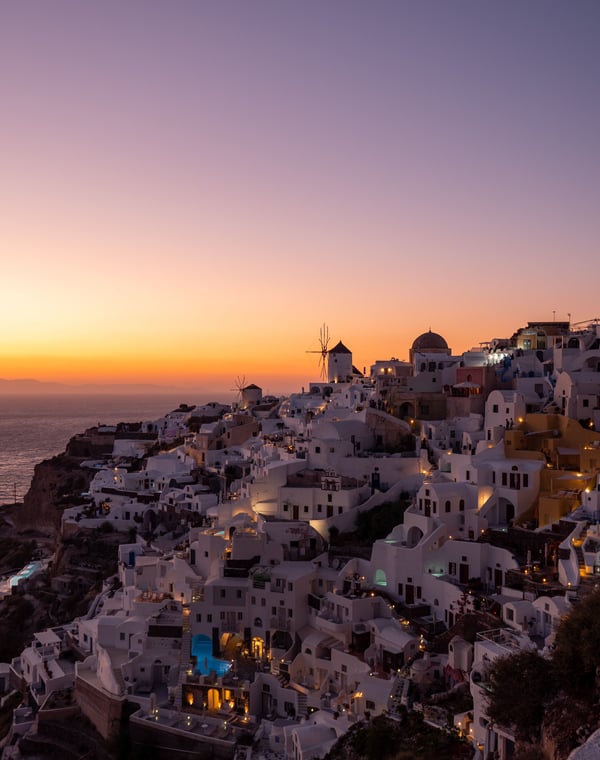
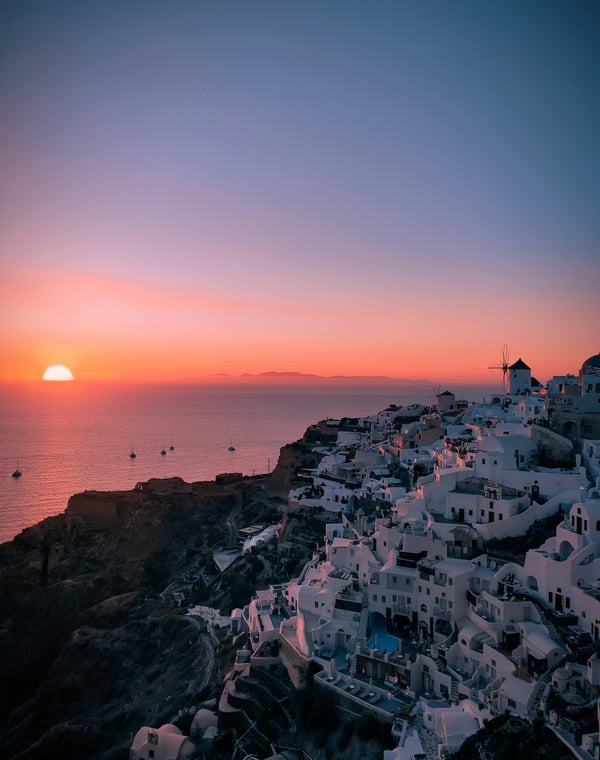
Santorini is the island on the postcard — the whitewashed villages spilling down black volcanic cliffs, the blue domes, the sunset that launched a thousand honeymoons. It's also the most-visited and most-misunderstood Greek island, and a little planning is the difference between a magical trip and a crowded, overpriced one. This guide covers everything a first-timer needs to know about Santorini: how it works, how long to stay, where to go, and how to see the best of it without the worst of the crowds.
This article contains affiliate links. If you book through them we earn a small commission at no extra cost to you.
Understanding the island
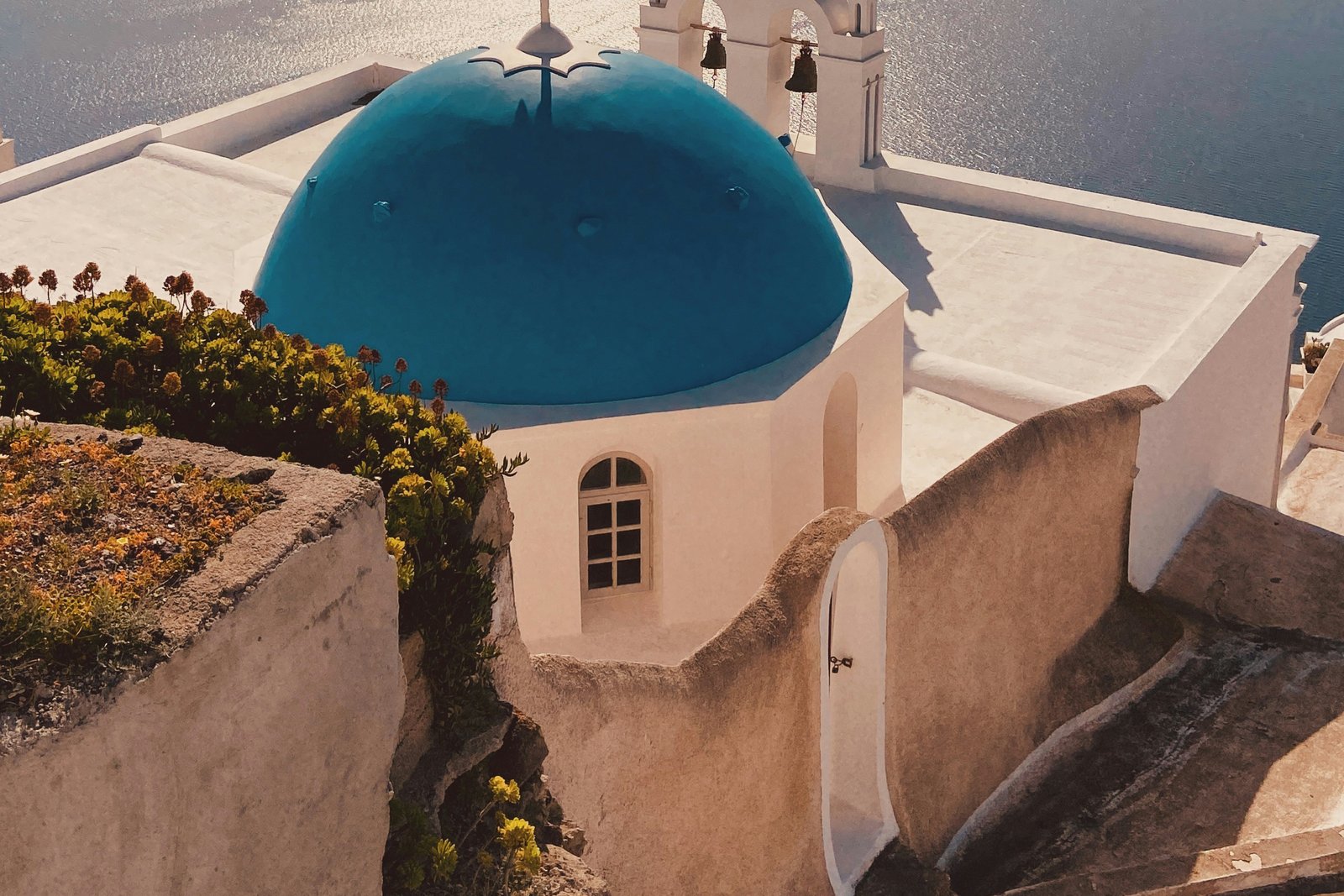
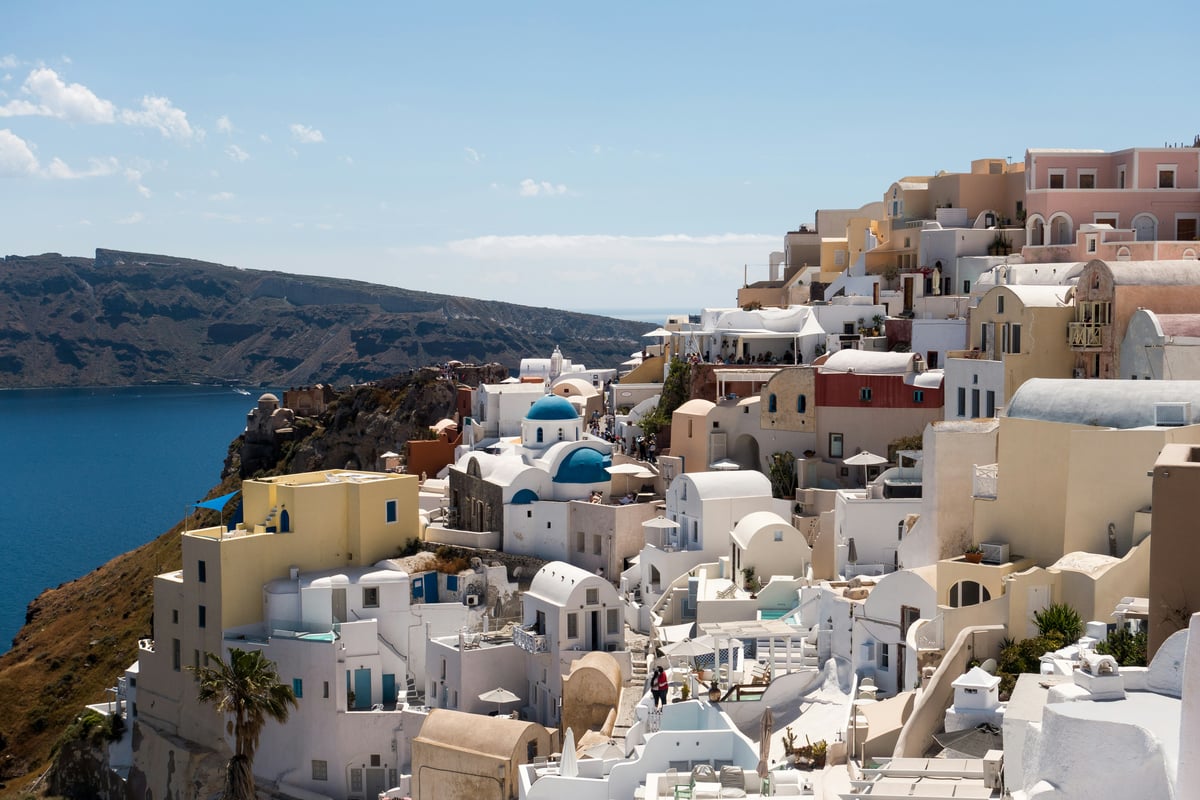
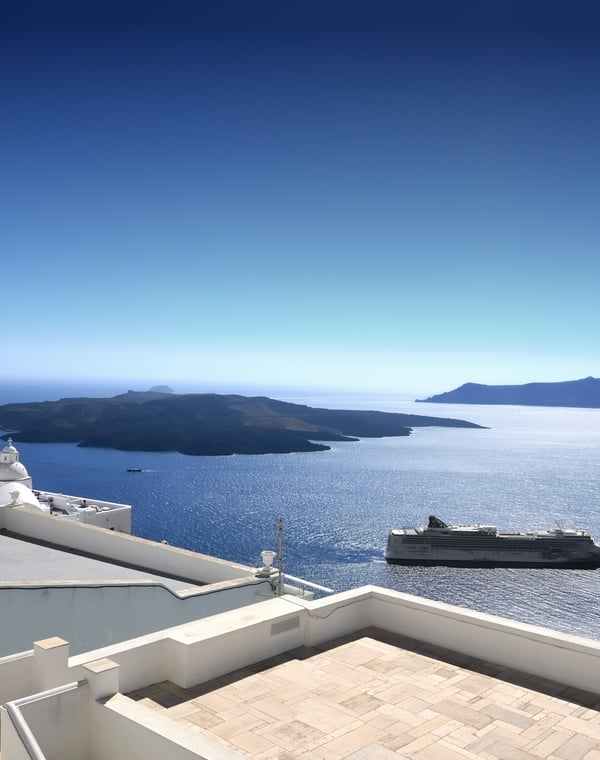
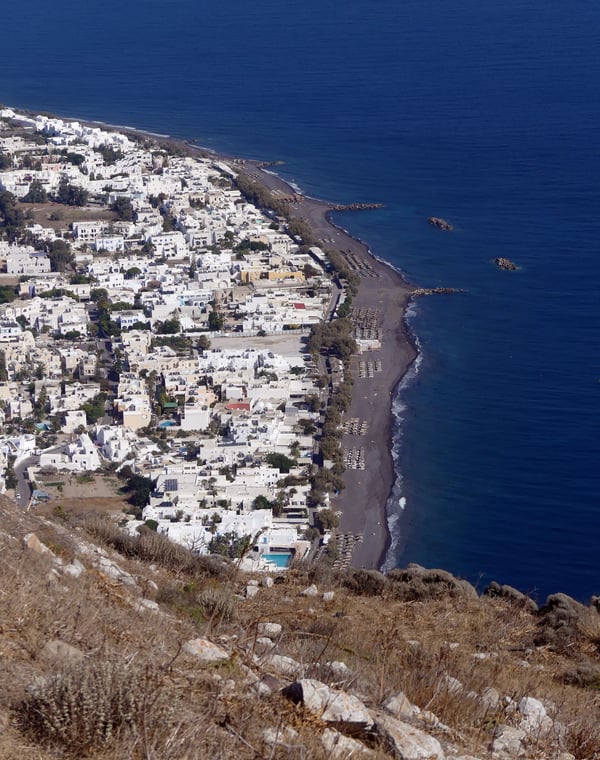
Santorini isn't a typical beach island — it's the rim of a flooded volcanic caldera, a giant crater whose cliffs drop straight into the deep blue sea. The famous towns — Oia, Imerovigli, and the capital Fira — perch along the caldera's western edge, which is where the iconic views and sunsets are. The beaches, made of black and red volcanic sand and pebbles, are on the opposite, eastern side of the island, away from the cliffs. Knowing this geography is key: the caldera towns are for views, the east coast is for swimming.
How long to stay
Two to three days is right for most first-timers. That's enough to watch the sunset, walk the caldera, see a couple of sights, and have a relaxed dinner or two without feeling rushed. As a standalone trip it can feel short, which is why Santorini works best combined with another island — typically as the showstopping finale after a more relaxed island like Naxos or Paros.
Getting there and getting around
Reach Santorini by ferry from Piraeus (roughly 5 hours by high-speed, 8 by conventional) or a 45-minute flight from Athens. Ferries dock at Athinios port, a steep drive below the caldera towns — pre-book a transfer, as it's not somewhere to be stranded with luggage. On the island, local buses hub at Fira, but they get crowded in season; many visitors rent a car or ATV, though parking in Oia and Fira is tight. For the airport and port, pre-arranged transfers are easiest.
Where to stay, in brief
Your base shapes the trip. Oia is the most beautiful and most expensive, the honeymoon choice. Imerovigli offers the same caldera views with fewer crowds. Fira is the lively, better-value hub with the best transport. The beach towns (Kamari, Perissa) trade the caldera view for more space and value. If the view is why you're coming, stay on the caldera; if you want beach and budget, look east.
The things you have to do
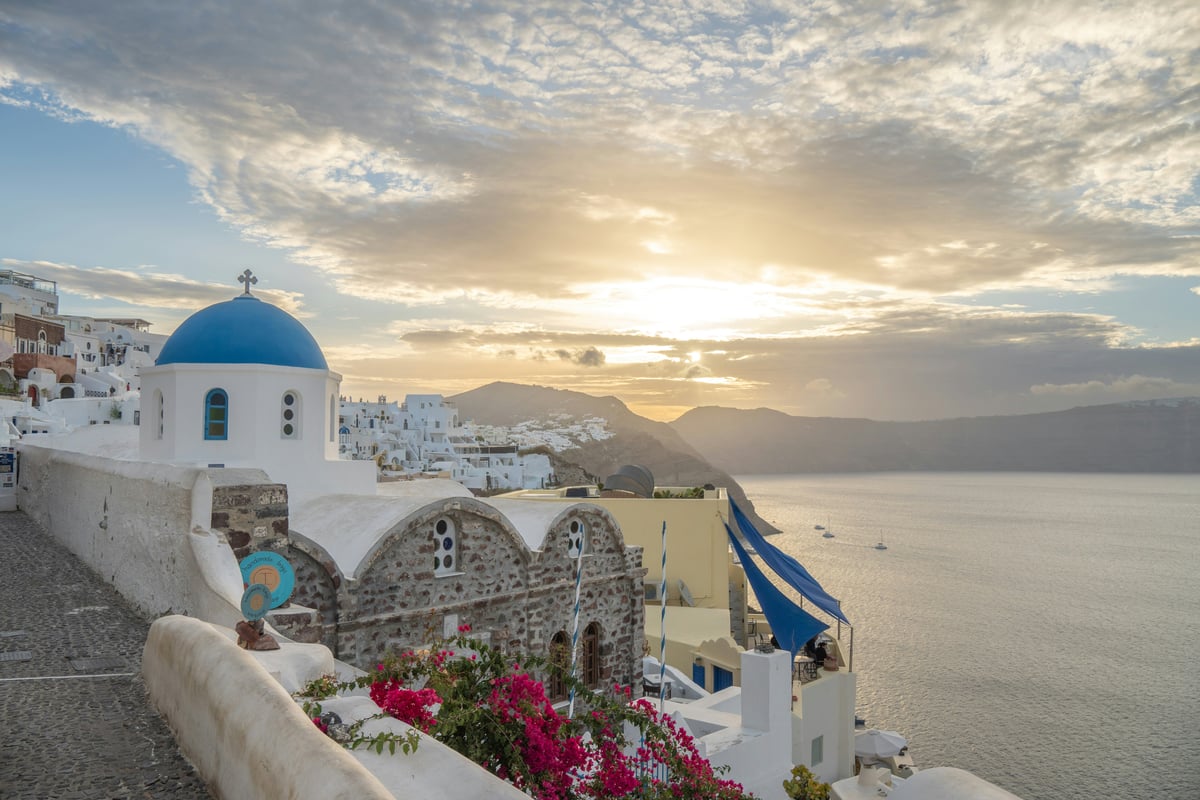
The essentials: watch the famous Oia sunset (arrive early or find a quieter caldera spot, because it's mobbed); walk the stunning clifftop Fira-to-Oia trail; tour the remarkably preserved Bronze Age site of Akrotiri; and taste the island's distinctive volcanic-soil Assyrtiko wines at a local winery. A caldera boat cruise to the volcano and hot springs is the other classic. We cover the sunset, the beaches, and the full activity list in their own guides.
Managing the crowds and cost
Santorini is busy and pricey, especially in peak summer when cruise ships disgorge thousands of day-trippers into Fira and Oia. The fixes: visit in shoulder season (May, June, September, early October) for better weather-to-crowd ratio and lower prices; see the big sights early or late to dodge the cruise crowds; and eat inland (Pyrgos, Megalochori) where the food is better and cheaper than the caldera-view restaurants. Because room and tour prices swing sharply with season and demand, check current prices as you book rather than trusting a fixed figure.
A practical first-timer note
A couple of things that catch people out: the island's tap water is desalinated and brackish, so locals drink bottled (it's fine for brushing teeth). The caldera towns are built on steep stairs and cliffside paths, so pack sensible shoes and know it's demanding if stairs are difficult for you. And if Santorini is the last stop on your trip, remember there are no direct flights to the U.S. from the island — you'll fly back to Athens to connect home, a quick hop that beats a long final ferry.
What Santorini costs
Santorini is the priciest of the popular Greek islands, and it's worth going in with clear eyes. Caldera-view rooms in Oia and Imerovigli command a steep premium, and view restaurants charge for the position as much as the food. But the island flexes more than its reputation suggests: stay in Fira or a beach town instead of the caldera, eat in inland villages like Pyrgos, travel in shoulder season, and use buses, and a Santorini trip becomes far more reasonable. Many first-timers split the difference — a night or two in a caldera-view room for the experience, the rest somewhere sensible. Because rates here swing harder with season and demand than almost anywhere in Greece, price your specific dates rather than trusting a fixed figure.
FAQ
How many days do I need in Santorini?
Two to three days covers the sunset, the caldera walk, a sight or two, and relaxed dinners. It works best combined with another island as the finale of a trip rather than as a long standalone stay.
When is the best time to visit Santorini?
May, June, September, and early October — warm and swimmable, with fewer crowds and lower prices than the July–August peak, when cruise crowds and heat are at their worst.
Do I need a car in Santorini?
Not necessarily. Buses hub at Fira and transfers cover the airport and port. A car or ATV helps for reaching beaches and wineries freely, but parking in Oia and Fira is tight.
Where are the beaches in Santorini?
On the eastern side of the island, away from the caldera — black and red volcanic sand and pebbles at places like Kamari, Perissa, and Red Beach. The caldera towns are for views, not swimming.
Is Santorini worth visiting despite the crowds?
For most first-timers, yes — the caldera and sunset are genuinely spectacular. Visit in shoulder season, see the big sights early or late, and eat inland to get the best of it while avoiding the worst of the crowds.
Keep planning
Not sure how the islands fit together?
Pick your trip length and we'll route a real island-by-island plan — ferries included.