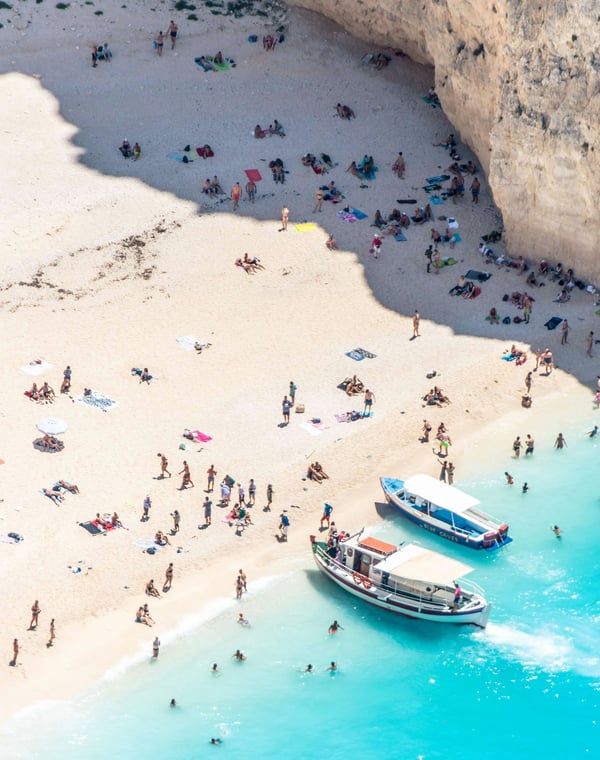
Everything a first-timer needs for Mykonos: what the island's really like, how long to stay, where to base, the scarce-taxi reality, and how to manage the cost.
Mykonos has a reputation — glamorous, party-loving, expensive — and it lives up to it, but there's far more to the island than beach clubs and nightlife. Beneath the buzz is a beautiful Cycladic island of whitewashed lanes, windmills, gorgeous beaches, and one of Greece's most important ancient sites just offshore. This guide covers everything a first-timer needs to know about Mykonos: how it works, how long to stay, where to go, and how to enjoy it whether you're here for the scene or the sand.
This article contains affiliate links. If you book through them we earn a small commission at no extra cost to you.
What Mykonos is really like
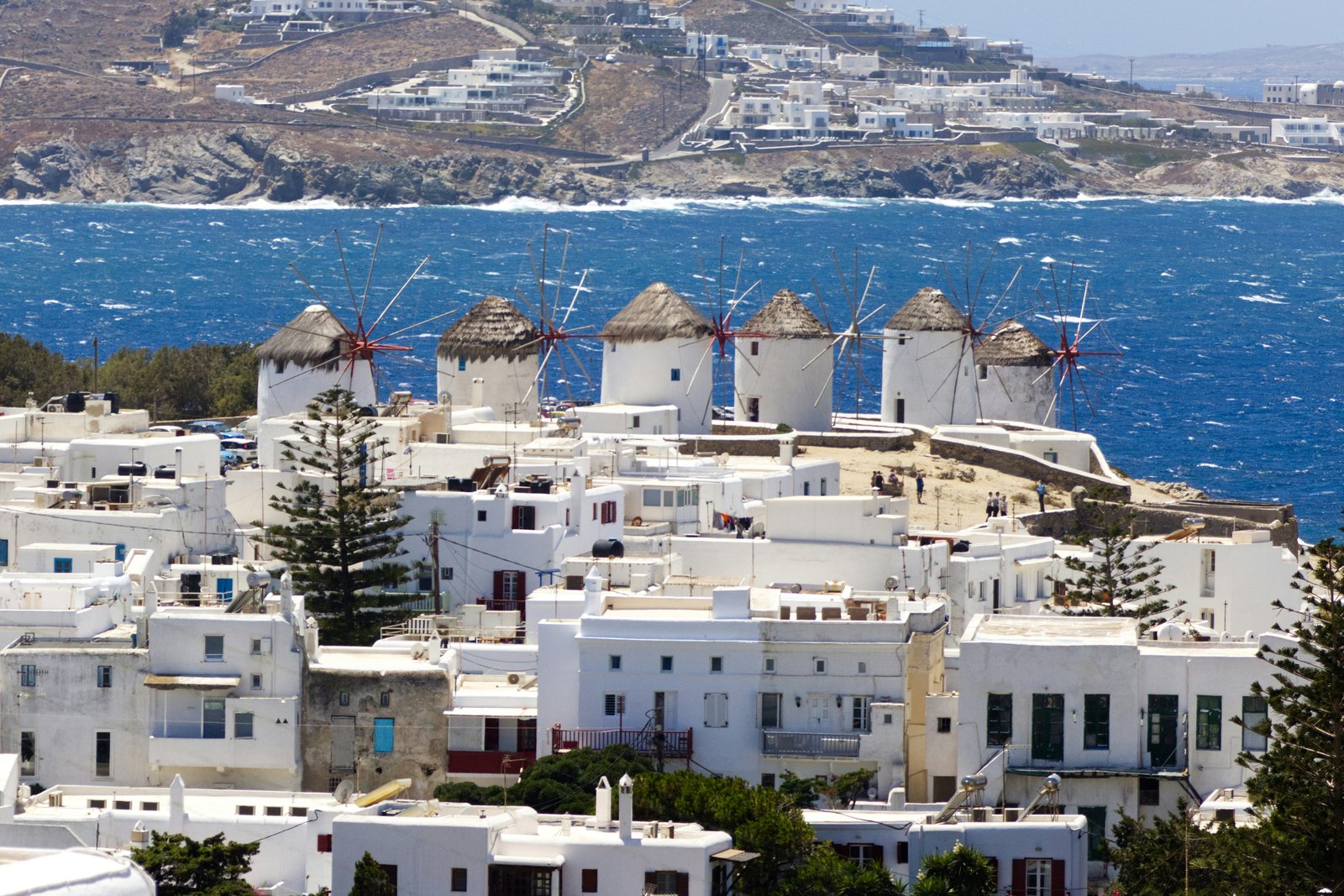
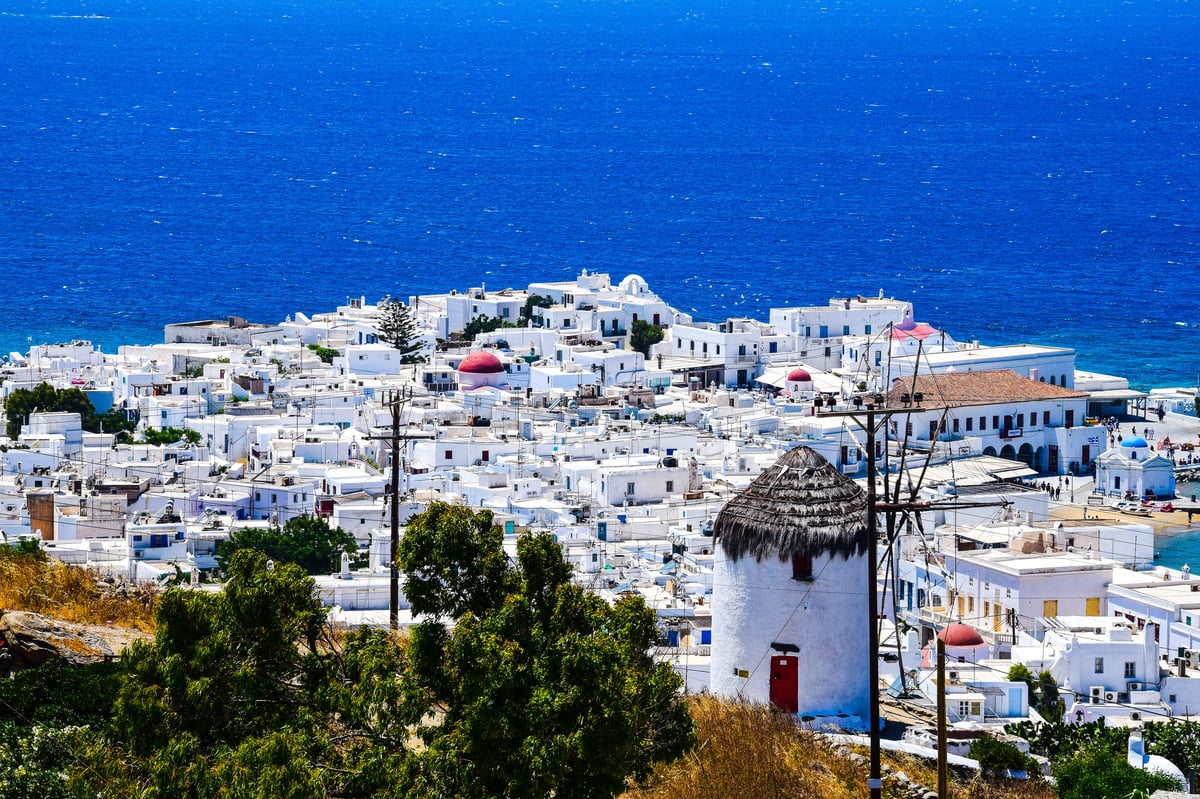
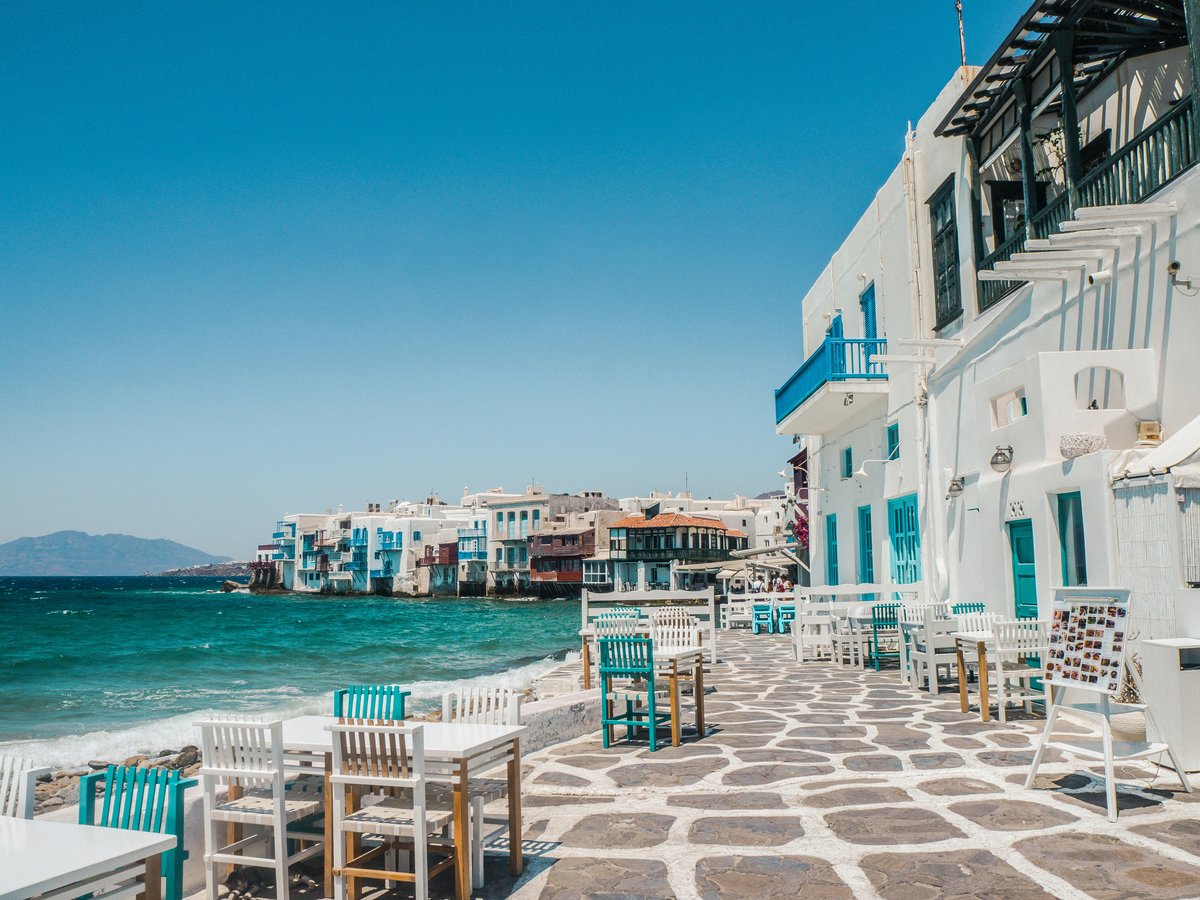
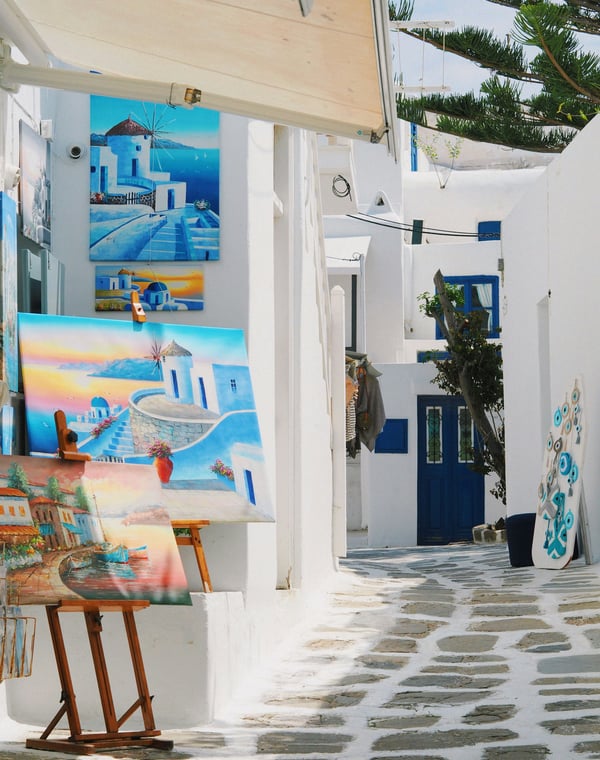
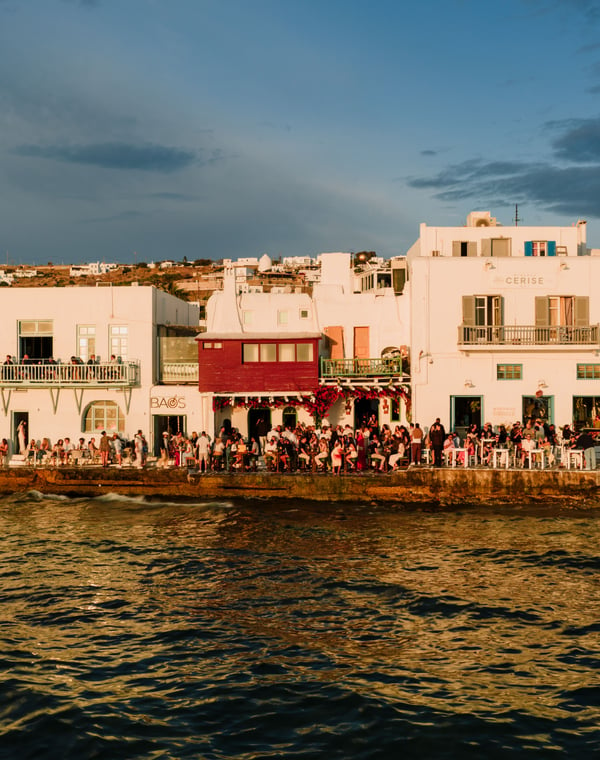
Mykonos is the Cyclades' cosmopolitan, high-energy island — a chic, lively place that draws an international crowd for its beaches, nightlife, and style. But it's also genuinely beautiful: the main town, Chora, is a postcard maze of white lanes, the iconic windmills, and the waterfront bars of Little Venice. You can have a glamorous party trip or a stylish, relaxed one — the island works both ways, as long as you pick the right base and beaches.
How long to stay
Two to three days is right for most first-timers. That's enough to explore Mykonos Town, hit a couple of beaches, take the boat trip to Delos, and experience a night out. It pairs naturally with Santorini (the two icons together) or with the quieter Cyclades like Naxos and Paros for contrast. As part of an island-hopping trip, Mykonos is a lively middle stop rather than a relaxing finale.
Getting there and around
Reach Mykonos by ferry from Piraeus (about 3–5 hours) or a short flight from Athens (around 40 minutes). Note the island has two ports — the Old Port near town and the New Port for most big ferries — so confirm which yours uses. Getting around, the big thing to know: taxis are scarce and expensive. Buses connect Chora to the main beaches reliably and cheaply, sea taxis link the southern beaches in summer, and many visitors rent an ATV or car (though parking near town is tight). Pre-book your airport and port transfer.
Where to stay, in brief
Mykonos Town (Chora) is the first-timer base — walkable, central, with dining and nightlife on the doorstep. Ornos and Platis Gialos are beach bases with easy access to town. Psarou and Elia are the luxury, beach-club areas. Because taxis are scarce, staying in or near town saves you from depending on pricey transfers — a real consideration here.
The things to do
Beyond the beaches and bars, the essentials: wander Mykonos Town and its windmills and Little Venice; take the boat trip to Delos, an entire uninhabited island of ancient ruins and one of Greece's most important archaeological sites; and spend time on the beaches, which range from family-friendly bays to famous party strips. We cover the beaches and the nightlife in their own guides.
Managing the cost
Mykonos is one of Greece's priciest islands, especially in peak summer. The fixes: visit in shoulder season (May, June, September) for lower prices and a calmer island; stay in or near town to avoid constant transfers; and know that the famous beach clubs carry premium prices, while the public beaches and town tavernas are far gentler on the wallet. Because rates swing sharply with season and demand, check current prices as you book rather than trusting a fixed figure.
A practical first-timer note
A few things that catch people out: the island's tap water is not ideal for drinking (locals drink bottled); the famous meltemi wind can whip across Mykonos in summer, affecting exposed beaches and fast ferries; and if Mykonos is your last stop, remember there are no direct flights to the U.S. from the island — you'll fly back to Athens to connect home. Plan that final hop with a buffer.
When to visit Mykonos
Mykonos changes character sharply by season. July and August are peak — the full glamour, the biggest parties, and the highest prices and crowds, with the famous beach clubs at full tilt; book well ahead and brace for the cost. June and September are the sweet spot for most first-timers: warm seas, a lively but breathable scene, and noticeably gentler prices. May and October are calmer and cheaper still, with the island winding down and some seasonal venues closing toward the edges. One Mykonos-specific factor is the meltemi wind, strongest in July and August, which can whip the exposed beaches and disrupt fast ferries — another reason the shoulder months often feel more pleasant. If the party scene is the whole point of your trip, peak summer delivers it; if you want the island's beauty with room to breathe, aim for the shoulders.
FAQ
How many days do I need in Mykonos?
Two to three days covers Mykonos Town, a couple of beaches, the Delos boat trip, and a night out. It pairs well with Santorini or the quieter Cyclades as part of a hopping trip.
Is Mykonos just for partying?
No — while it's famous for nightlife and beach clubs, it's also a beautiful island with a charming main town, gorgeous beaches, and the major ancient site of Delos. You can have a stylish, relaxed trip as easily as a party one.
How do I get around Mykonos?
Buses connect the town to the main beaches cheaply, and sea taxis link the southern beaches in summer. Regular taxis are scarce and expensive, so staying in or near town helps, and many visitors rent an ATV or car.
When is the best time to visit Mykonos?
May, June, and September offer warm weather, a lively but not overwhelming scene, and lower prices than the July–August peak. Peak summer is the most glamorous and the most crowded and expensive.
Is Mykonos expensive?
It's one of Greece's priciest islands, especially the beach clubs in peak season. You can cut costs by visiting in shoulder season, staying near town, and using public beaches and town tavernas rather than the premium beach clubs.
Keep planning
Not sure how the islands fit together?
Pick your trip length and we'll route a real island-by-island plan — ferries included.