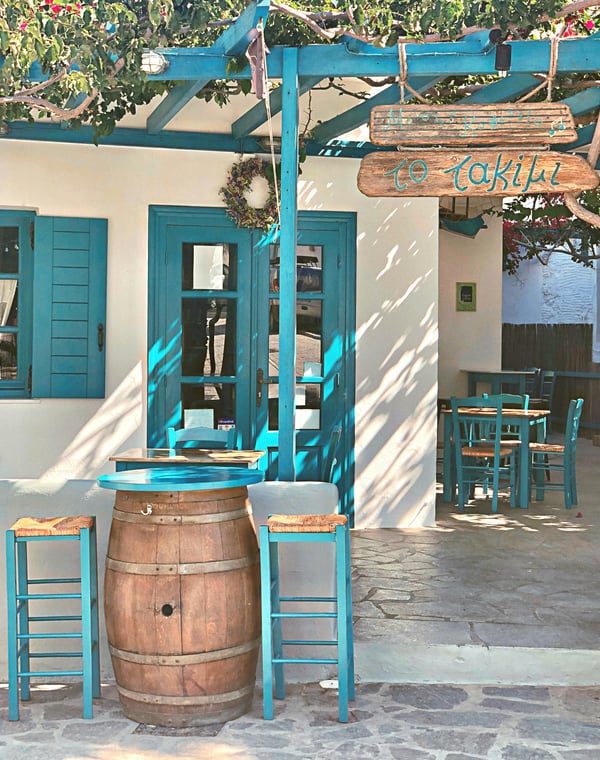
A first-timer's Greek menu cheat sheet: the mezedes, salads, and mains to order, how a shared Greek meal works, and regional specialties worth seeking out.
Greek food is one of the great pleasures of a trip to Greece — fresh, generous, built on superb ingredients and centuries of tradition. But a taverna menu can be overwhelming the first time, full of unfamiliar names and dishes meant to be shared in ways that aren't obvious to first-timers. This guide is your menu cheat sheet: the dishes to order, how a Greek meal actually works, and how to eat like you know what you're doing.
This article contains affiliate links. If you book through them we earn a small commission at no extra cost to you.
How a Greek meal works
The key thing to understand: Greek dining is built around sharing. Rather than each person ordering a starter and a main, the table orders a spread of mezedes (small plates) and a few larger dishes, and everyone digs in together. Meals are leisurely and social, often starting late (9pm is normal), and nobody rushes you. Order a few things, see how hungry you are, and order more — that's the rhythm.
The mezedes (small plates) to start
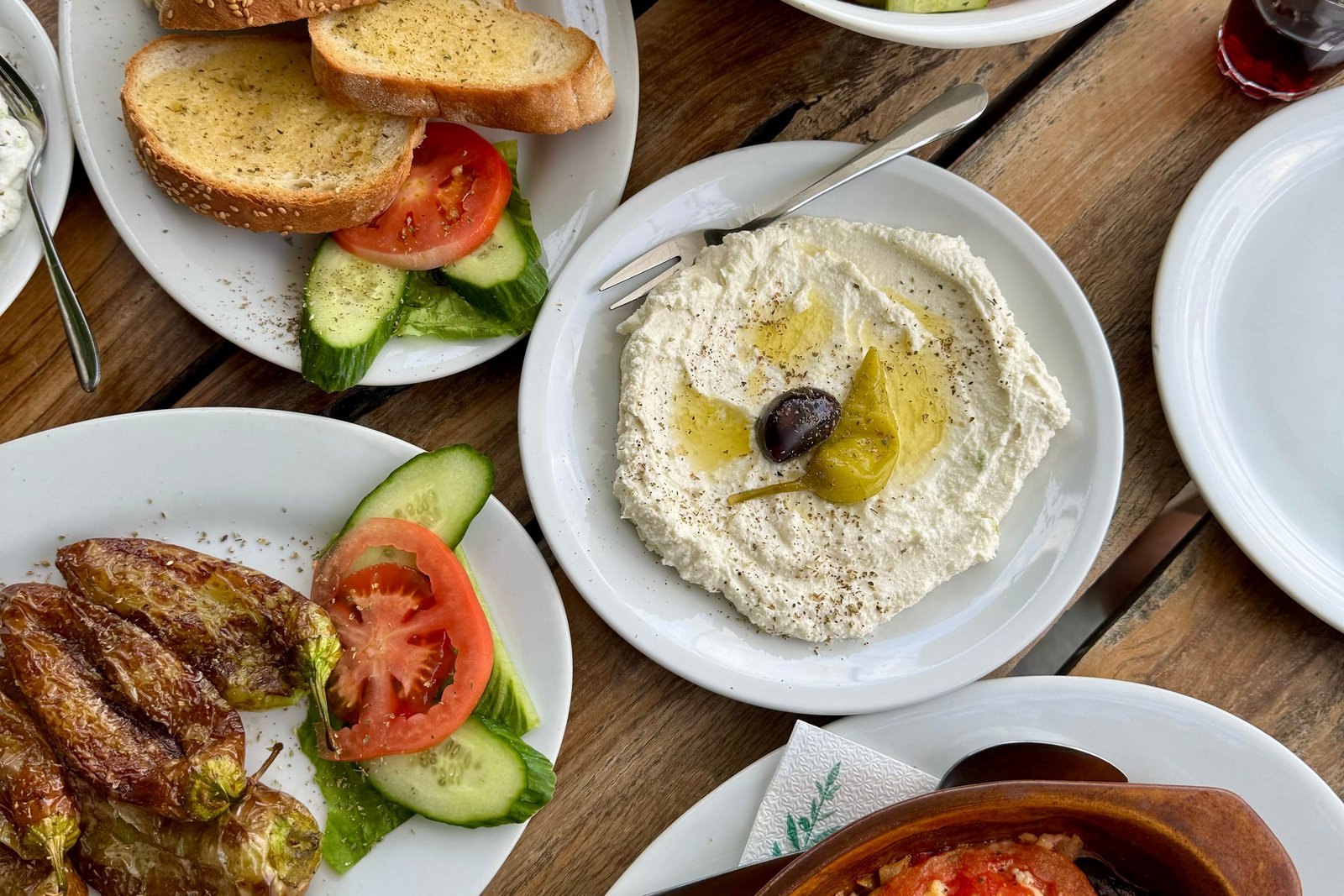
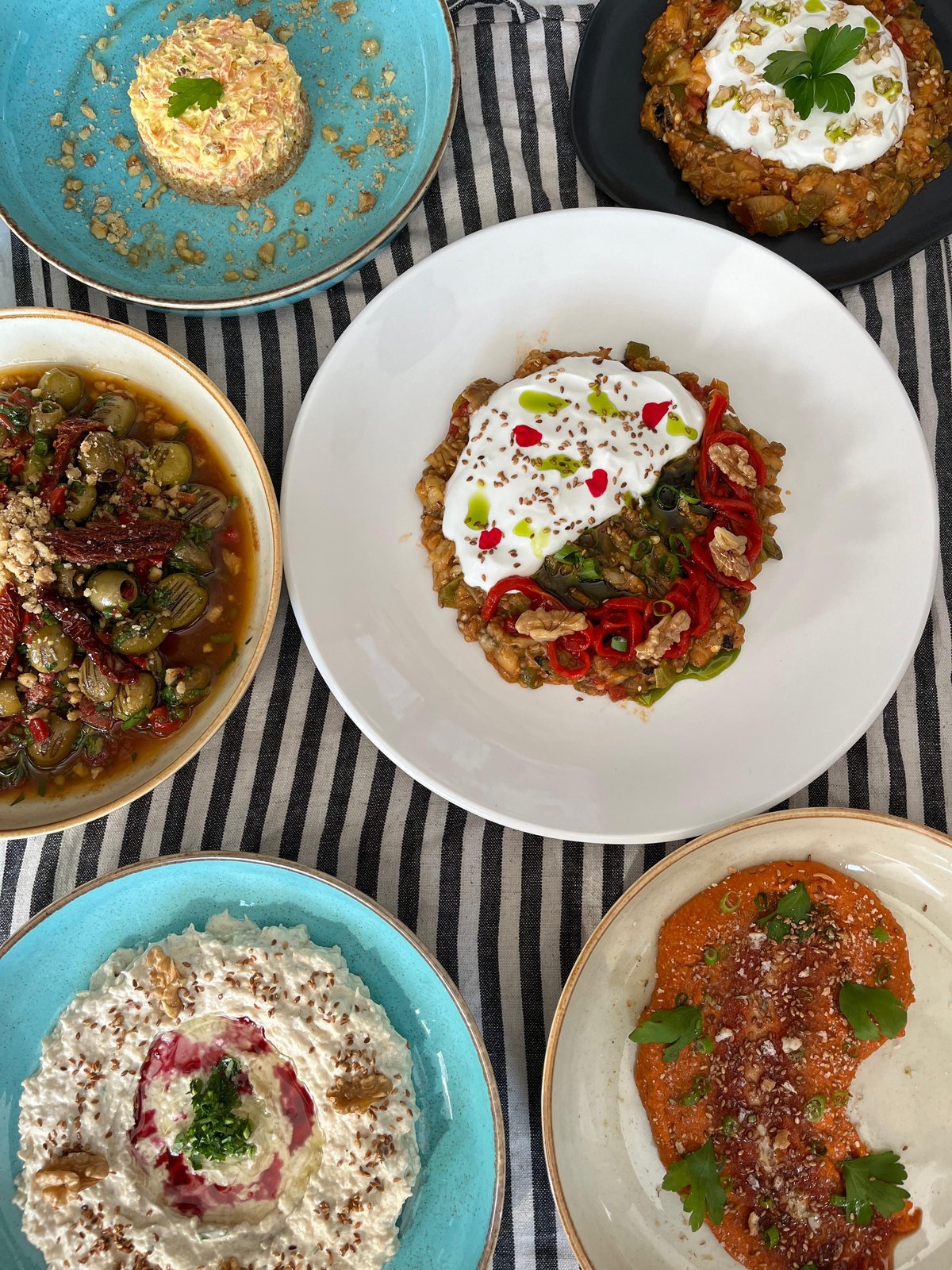
Begin with a selection of dips and small plates to share: tzatziki (yogurt, cucumber, garlic), melitzanosalata (smoky eggplant dip), taramasalata (fish-roe dip), and fava (yellow split-pea purée, a Santorini specialty). Add dolmades (stuffed vine leaves), saganaki (pan-fried cheese), spanakopita (spinach and feta in filo), and keftedes (meatballs). With fresh bread and a Greek salad, a table of mezedes can be a whole meal.
The Greek salad — done right
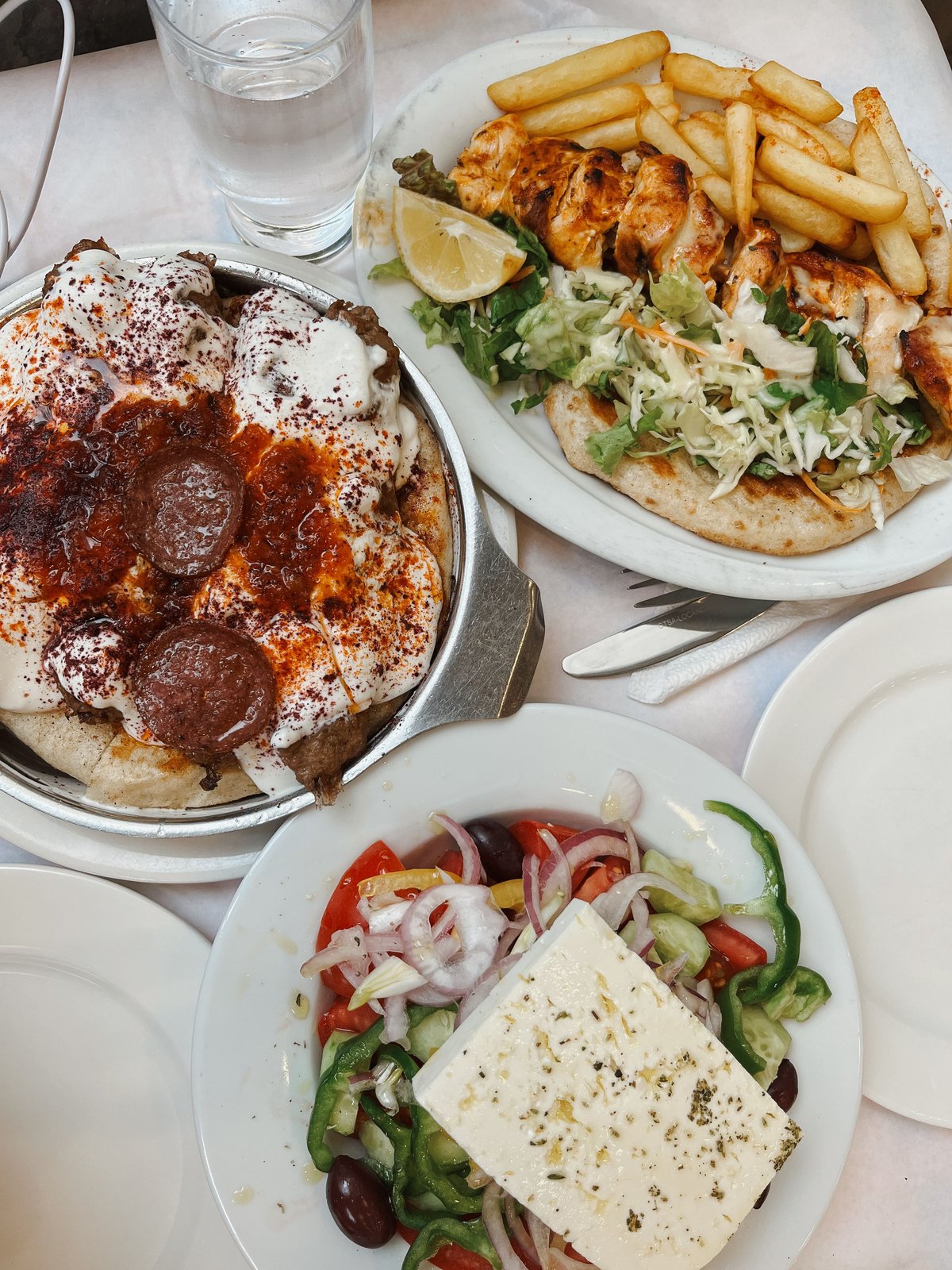
A real horiatiki (village salad) is nothing like its imitations: ripe tomatoes, cucumber, onion, peppers, olives, and a thick slab of feta on top, dressed simply with olive oil and oregano — no lettuce. It's a staple of every meal and a perfect example of how Greek food lets great ingredients shine.
The main dishes
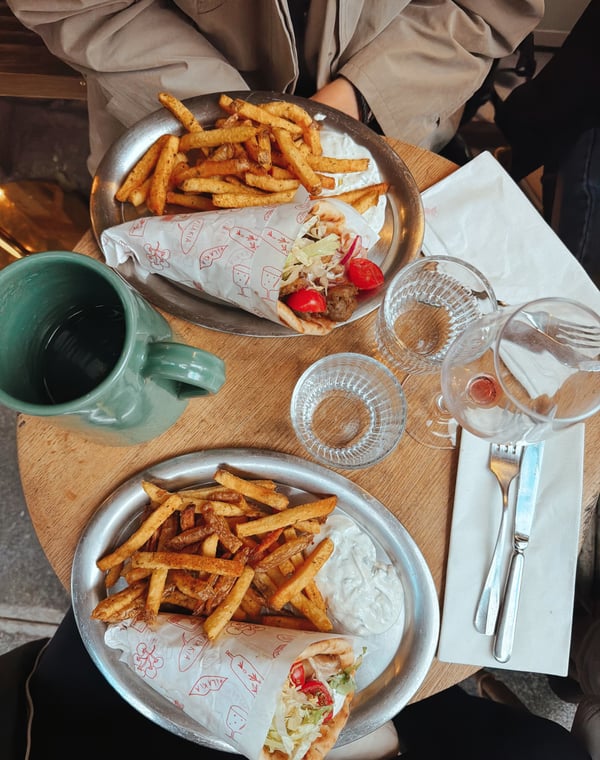
For larger plates, the classics deliver. Souvlaki and gyros (grilled or spit-roasted meat, often in pita) are the famous street food. Moussaka is the iconic baked dish of eggplant, spiced meat, and béchamel. Pastitsio is a baked pasta version. Look for grilled fresh fish and seafood near the coast (often priced by weight), slow-cooked lamb (kleftiko), and gemista (vegetables stuffed with rice). Each region has its own specialties worth seeking out.
Don't skip dessert
Save room: baklava (filo, nuts, and syrup), galaktoboureko (custard in filo), and loukoumades (honey-drizzled dough balls) are the sweet classics. Often a taverna will bring a small free dessert or fruit and a shot of the local spirit at the end of the meal — a gesture of hospitality, not something you ordered.
What to drink
Greek wine is excellent and underrated (more in our wine guide). For something local, try ouzo (anise spirit, served with water and ice) or Crete's raki/tsikoudia. Greek coffee is strong and served in a small cup — let the grounds settle and don't drink to the bottom. House wine, often served in carafes, is usually a good, cheap bet.
Tips for eating well
A few rules that never fail: eat where the locals eat, a few streets back from the main tourist squares and waterfront, for better food and prices. Look for tavernas (casual, traditional) over places with photo menus and pushy hosts. Ask what's fresh or the day's special — many tavernas cook a few daily dishes (magirefta, ready-cooked home-style food) that aren't always on the menu. And embrace the slow pace; the long, shared, unhurried meal is part of the experience.
A first-timer's order
Not sure where to start? A foolproof first meal for two: a Greek salad, tzatziki and one other dip with bread, a saganaki or spanakopita, and one or two mains like souvlaki and grilled fish, with house wine. Add more if you're still hungry. You'll have a delicious, classic Greek meal — and the confidence to branch out at the next one.
Regional specialties worth seeking out
Part of the fun of eating across Greece is that each region has its own dishes, so order local wherever you are. On Santorini, try the fava (yellow split-pea purée), cherry tomatoes, and white eggplant grown in the volcanic soil. On Crete, look for dakos (barley rusk topped with grated tomato and soft cheese), snails, and the island's superb cheeses and olive oil. In Athens and the mainland, the magirefta (slow-cooked, home-style dishes) shine. Coastal and island tavernas do fresh fish and seafood best — often priced by weight, so it's normal to be shown the catch and have it weighed before cooking. Asking "what's the local specialty here?" almost always leads somewhere good, and signals to the taverna that you're interested in eating the way they do rather than ordering the same moussaka everywhere.
FAQ
What food should I try in Greece?
Start with mezedes like tzatziki, saganaki, and dolmades, a real Greek salad with feta, and mains like souvlaki, gyros, moussaka, and fresh grilled fish. Finish with baklava and try ouzo or local wine.
How does ordering work at a Greek restaurant?
Greek dining is about sharing — order a spread of small plates (mezedes) and a few larger dishes for the table, and add more as you go. Meals are leisurely and start late, and nobody rushes you.
What is a real Greek salad?
Horiatiki, or village salad: tomatoes, cucumber, onion, peppers, olives, and a slab of feta dressed with olive oil and oregano — and no lettuce. It's a simple staple that showcases great ingredients.
What should I drink with Greek food?
House wine in a carafe is a great cheap bet, Greek wines are excellent, and local spirits like ouzo or Cretan raki are worth trying. Greek coffee is strong and served small — let the grounds settle.
How do I find good, authentic Greek food?
Eat a few streets back from the tourist squares and waterfront where locals go, choose traditional tavernas over places with photo menus, and ask for the day's specials or ready-cooked dishes (magirefta).
Keep planning
Not sure how the islands fit together?
Pick your trip length and we'll route a real island-by-island plan — ferries included.