The best ancient ruins in Greece for first-timers: the Acropolis, Delphi, Knossos, Mycenae, Epidaurus, Sounion, Akrotiri, and Delos — and how to build them into a trip.
Greece is an open-air museum of the ancient world — the birthplace of Western civilization, scattered with temples, theaters, palaces, and sanctuaries that have stood for thousands of years. For history-loving travelers, deciding which ancient sites to prioritize is part of the planning fun. This guide rounds up the best ancient ruins in Greece for a first-timer, spanning Athens, the mainland, and the islands, so you can build the history into your trip.
This article contains affiliate links. If you book through them we earn a small commission at no extra cost to you.
1. The Acropolis, Athens
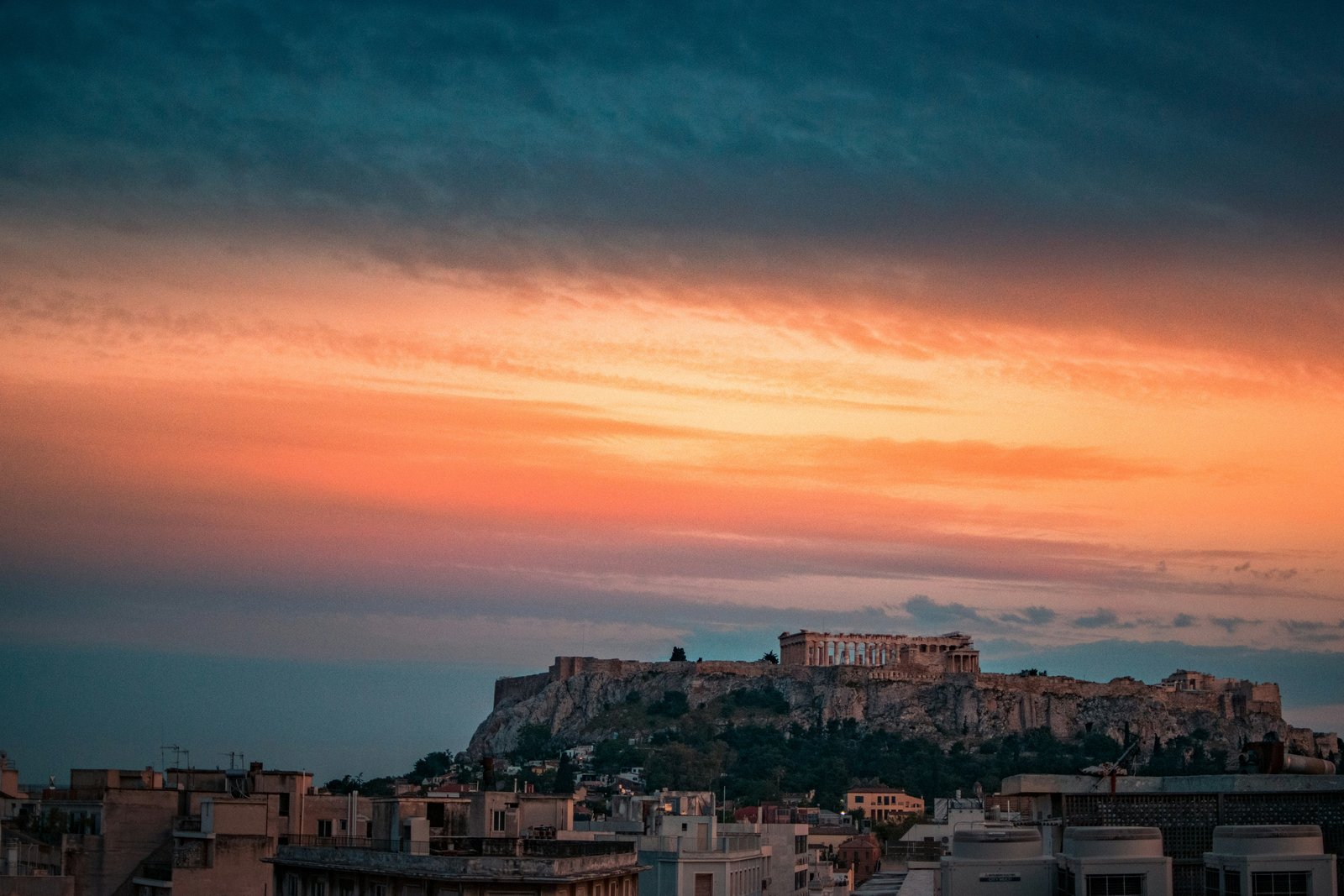
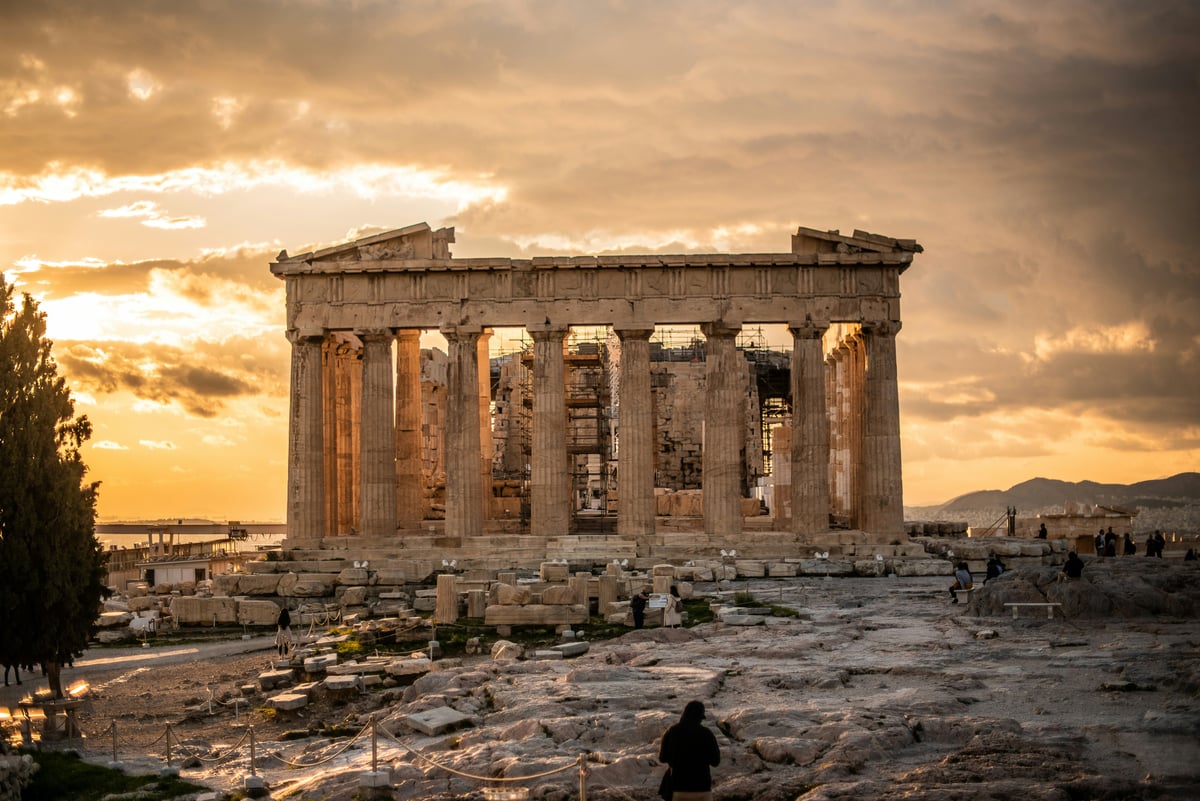
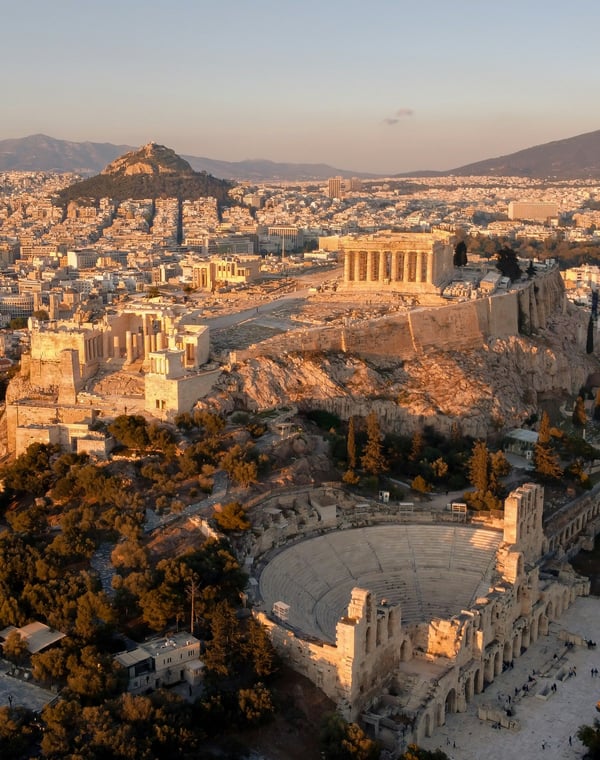
The icon of ancient Greece: the Acropolis and its Parthenon, the 5th-century-BC temple to Athena that has defined Western architecture. Standing atop its citadel over modern Athens, it's the must-see ancient site for any first trip, best at opening or late afternoon to avoid heat and crowds.
2. Delphi
The ancient world's most sacred sanctuary, home to the famous Oracle, dramatically set on the slopes of Mount Parnassus. The Temple of Apollo, the theater, the stadium, and the round Tholos, plus a superb museum, make Delphi one of Greece's most rewarding sites — a popular day trip from Athens.
3. Knossos, Crete
The great palace of the Minoans, Europe's first advanced civilization, near Heraklion on Crete. Partially reconstructed, with its famous red columns and frescoes, Knossos is the legendary home of the labyrinth and the Minotaur, and a window into a 4,000-year-old world — best paired with the Heraklion museum.
4. The Ancient Agora, Athens
The civic heart of classical Athens, where democracy and philosophy took shape and Socrates once held forth. Its Temple of Hephaestus is one of the best-preserved ancient Greek temples anywhere — even more complete than the Parthenon, and far less crowded.
5. Mycenae
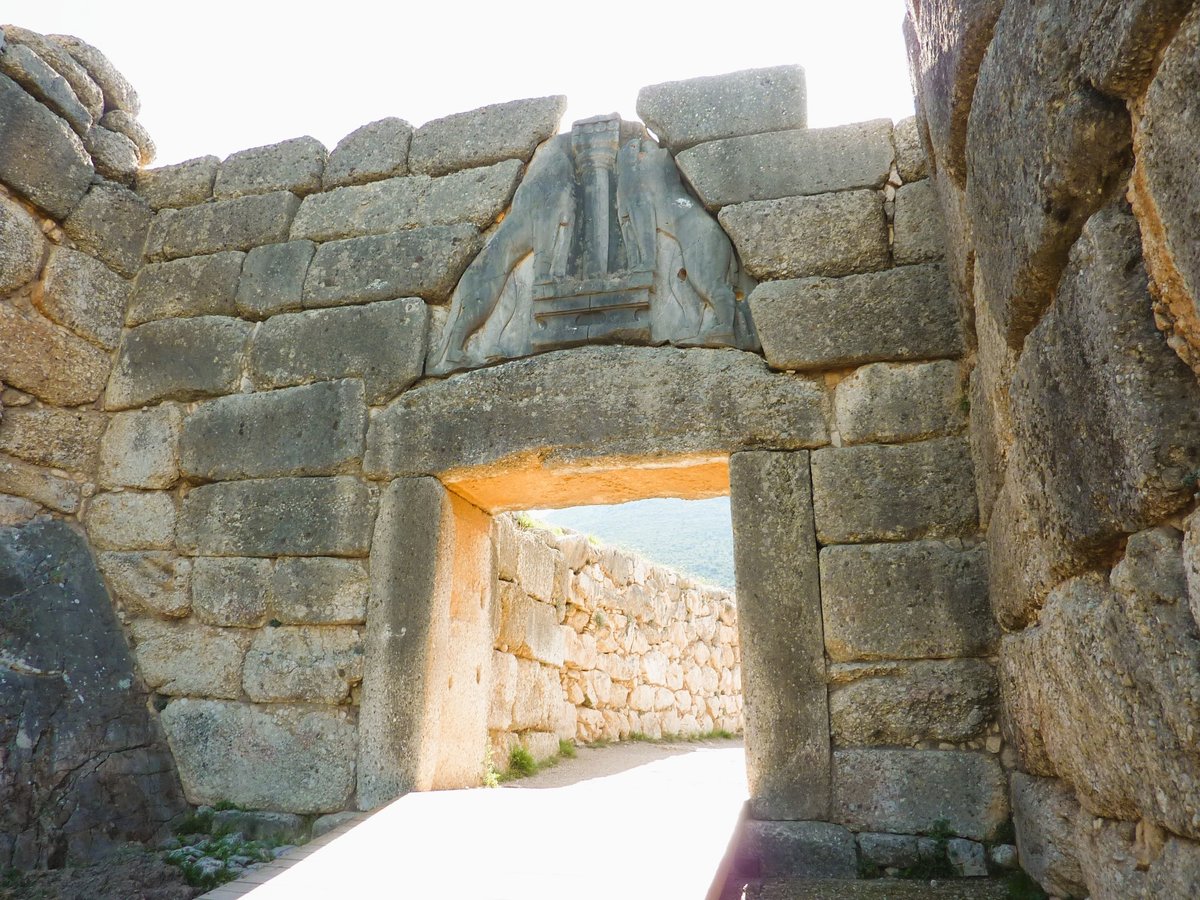
In the Peloponnese, Mycenae was the citadel of legendary King Agamemnon and the center of the Bronze Age Mycenaean civilization. Its Lion Gate and beehive tombs are remarkable, and it's often combined with nearby Epidaurus on a day trip from Athens or a Peloponnese tour.
6. Epidaurus
Also in the Peloponnese, the ancient theater of Epidaurus is astonishingly well-preserved and famous for its perfect acoustics — a whisper on the stage carries to the back row. Still used for performances today, it's a highlight of ancient Greek engineering and often paired with Mycenae.
7. The Temple of Poseidon, Cape Sounion
On a clifftop above the Aegean, an easy trip from Athens, the Temple of Poseidon at Cape Sounion is one of the most beautifully situated ancient sites in Greece — spectacular at sunset, when the marble columns glow above the sea.
8. Akrotiri, Santorini
The "Greek Pompeii": the remarkably preserved Bronze Age town of Akrotiri, buried by a volcanic eruption around 1600 BC and frozen in time, with multi-story buildings and frescoes revealing a sophisticated Minoan-era society. A fascinating, shaded site on Santorini.
9. Ancient Delos
A short boat trip from Mykonos, the entire uninhabited island of Delos is one of Greece's most important archaeological sites — the mythological birthplace of Apollo and Artemis, and once a thriving sacred city. Its ruins and famous terrace of marble lions reward a half-day visit.
How to build ruins into your trip
You don't need to see them all — choose by where you're going. In Athens: the Acropolis, Agora, and a day trip to Sounion or Delphi. On the mainland: Delphi and the Peloponnese (Mycenae, Epidaurus). On the islands: Knossos on Crete, Akrotiri on Santorini, Delos from Mykonos. A first trip focused on Athens and the Cyclades naturally takes in several of the greatest sites in the ancient world — and a guide or audio guide brings them to life in a way the stones alone can't.
Tips for visiting ancient sites in Greece
A few practical habits make ancient-site visits far better across the board. Go early or late — most sites are exposed and unshaded, and the midday summer heat plus tour-group and cruise crowds can be brutal; opening time and late afternoon are cooler and quieter. Wear sturdy shoes with grip, since ancient marble and uneven paths are slippery and rough. Bring water, a hat, and sun protection, as shade and shops are scarce on site. Consider combination tickets where available (as in Athens) for savings, and a guide or audio guide for the major sites, which genuinely transforms a pile of stones into a story. Check opening hours and seasonal closures in advance, as some sites and access (like certain gorges or boat trips to island sites) are seasonal. And pace yourself — ruins involve a lot of walking on hard ground, so don't try to cram too many into one day. With a little planning, Greece's ancient sites become the unforgettable heart of a trip rather than a hot, confusing slog.
FAQ
What are the best ancient ruins in Greece?
The Acropolis in Athens, Delphi, Knossos on Crete, the Ancient Agora, Mycenae and Epidaurus in the Peloponnese, the Temple of Poseidon at Sounion, Akrotiri on Santorini, and Delos near Mykonos.
Which ancient sites can I see on a first trip to Greece?
An Athens-and-Cyclades trip naturally takes in several — the Acropolis and Agora in Athens, a day trip to Sounion or Delphi, Knossos on Crete, Akrotiri on Santorini, and Delos from Mykonos.
What is the most important ancient site in Greece?
The Acropolis in Athens is the icon, but Delphi (the ancient oracle) and Knossos (the Minoan palace) are also among the most significant. Each represents a different chapter of the ancient world.
Are guided tours worth it for ancient sites?
Often yes — sites like Knossos, Delphi, and Mycenae especially benefit from a guide or audio guide to make sense of the ruins and bring their history to life. The stones don't explain themselves.
Can I see ancient ruins on the Greek islands?
Yes — Knossos on Crete, Akrotiri on Santorini, and Delos (a boat trip from Mykonos) are all major ancient sites, so an island trip can include world-class history alongside the beaches.
Keep planning
Not sure how the islands fit together?
Pick your trip length and we'll route a real island-by-island plan — ferries included.